
Navigating the complexities of sustainable construction in South Africa demands a keen focus on water efficiency, a critical challenge in this drought-prone region. The quest for materials that minimise water use without compromising on quality or durability is more pressing than ever. As industry professionals or environmentally conscious builders, the pursuit of innovative solutions that align with both ecological values and regulatory standards is a journey we all share.
This exploration into water-efficient construction materials unveils a treasure trove of knowledge, specifically curated for the South African context. From cutting-edge materials to practical applications that have already made a mark, this insight not only empowers your projects but also contributes significantly to the larger goal of resource conservation. Together, we embark on a path towards transforming the construction landscape into one that is in harmony with our precious water resources.
Key Takeaways
- Green building practices in South Africa emphasize water-saving fixtures and materials.
- Water conservation in construction is essential for sustainability and resource management.
- Sustainable material choices support long-term water conservation goals.
- Innovative water management solutions like rainwater harvesting systems are pivotal for reducing water consumption.
Water-Efficient Building Materials Overview
Water-efficient building materials play a crucial role in reducing water consumption during construction processes in South Africa. These materials are key components of green building practices, aiming to promote sustainability and minimise environmental impact.
In South Africa, the use of water-efficient building materials such as low-flow fixtures, water-saving appliances, and recycled water systems has become increasingly prevalent. Innovative technologies like greywater recycling systems and rainwater harvesting tanks are being integrated into construction projects to enhance water efficiency further.
Importance of Water Conservation in Construction
Water conservation plays a pivotal role in construction practices in South Africa, where water scarcity poses significant challenges. By prioritizing sustainable material choices and implementing water-saving construction practices, builders can contribute to resource conservation and environmental sustainability.
Incorporating innovative solutions like water-efficient fixtures and rainwater harvesting systems can not only reduce water consumption but also lead to cost savings and regulatory compliance.
Water-Saving Construction Practices
In construction practices, the prudent management of water resources is essential, particularly in regions like South Africa facing significant water scarcity challenges. Water-saving construction practices, incorporating water-efficient construction materials, are crucial for sustainable building projects.
By implementing techniques like using recycled water for non-potable purposes and installing water-efficient fixtures, construction projects can significantly reduce water consumption. Green building certifications such as Green Star SA advocate for the adoption of water-saving strategies to promote environmental sustainability in the construction industry.
Choosing water-efficient construction materials not only minimises the environmental impact of buildings but also contributes to long-term water conservation goals in South Africa. It is imperative for the industry to prioritise water conservation through these practices to ensure a more sustainable future.
Sustainable Material Choices
Sustainable material choices play a pivotal role in shaping the landscape of water conservation efforts within the construction industry, particularly in regions like South Africa where water scarcity poses significant challenges. When considering sustainable material choices for construction projects, the following factors are crucial in promoting water conservation and aligning with green building principles:
- Utilising water-efficient construction materials to reduce water consumption.
- Opting for sustainable materials to minimise the environmental impact on water resources.
- Incorporating water-efficient materials in construction projects to adhere to green building principles.
- Making informed choices about construction materials to support water conservation practices within the building industry.
Sustainable Materials for Water Management
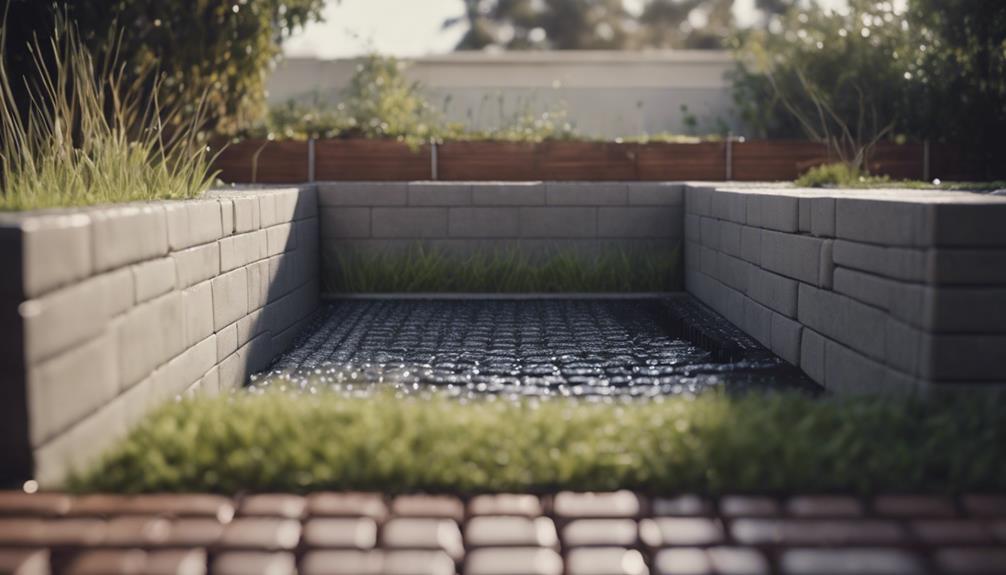
Sustainable materials play a crucial role in effective water management practices within construction projects.
Innovations like eco-friendly water solutions and advanced drainage systems offer environmentally conscious alternatives to traditional methods.
Eco-Friendly Water Solutions
Incorporating cutting-edge water management technologies, construction ventures in South Africa are progressively integrating eco-friendly solutions to tackle water conservation challenges. Sustainable materials such as permeable concrete and porous asphalt are employed to diminish runoff and encourage groundwater recharge. Eco-friendly water solutions like rainwater harvesting systems and greywater recycling technologies are assimilated into buildings to efficiently conserve water resources.
Furthermore, green roofs and bioswales crafted from sustainable materials play a pivotal role in absorbing rainwater, reducing stormwater runoff, and alleviating flooding in urban locales.
- Rainwater harvesting systems
- Greywater recycling technologies
- Green roofs
- Bioswales
Innovative Drainage Systems
Incorporating state-of-the-art drainage systems, construction projects in South Africa are implementing sustainable materials to revolutionise water management practices. By utilising permeable pavers, green roofs, and rain gardens, these innovative systems effectively manage stormwater.
Permeable pavers, such as interlocking concrete blocks and porous asphalt, allow water to permeate the surface, aiding groundwater recharge. Green roofs not only absorb rainwater but also reduce the heat island effect and provide insulation, enhancing energy efficiency in buildings.
Rain gardens, using plants and soil, filter pollutants from stormwater runoff, thereby improving water quality and fostering biodiversity in urban areas. These sustainable solutions play a crucial role in stormwater management, mitigating flooding, erosion, and pollution while promoting environmentally conscious construction practices in South Africa.
Innovations in Water-Efficient Construction
Innovations in water-efficient construction methods are revolutionising the way buildings are designed and constructed in South Africa, emphasising resource conservation and environmental sustainability. These innovations include:
- Permeable Paving: Materials like permeable concrete allow water to pass through, replenishing groundwater and reducing stormwater runoff.
- Water-efficient Bricks**: Utilising recycled materials, these bricks decrease water usage during production, aligning with sustainable building practices.
- Green Roofs: These roofs aid in managing stormwater runoff by absorbing and filtering rainwater, promoting water efficiency in construction projects.
- Water-Saving Irrigation Systems**: Equipped with smart technology and sensors, these systems optimise water usage in landscaping and outdoor areas of buildings, ensuring efficient and effective irrigation practices.
Regulations and Guidelines for Water Usage
Regulations and Guidelines for Water Usage
Water conservation measures in construction projects in South Africa are mandated by the National Building Regulations and Building Standards Act, ensuring adherence to guidelines for water usage. The South African National Standards (SANS) 10400-XA provide specific requirements for water-efficient fixtures and fittings in buildings, aiming to reduce water consumption.
Green building certifications such as Green Star SA and LEED emphasise the importance of water efficiency in construction practices, encouraging the adoption of sustainable water management strategies. The Department of Water and Sanitation offers guidelines for developing water management plans, which include measures for minimising water usage in buildings.
Additionally, the South African Green Building Council promotes the use of water-efficient construction materials and technologies through its certification programmes, driving the construction industry towards more sustainable practices. By following these regulations and guidelines, construction projects in South Africa can contribute to overall water conservation efforts and support environmentally friendly building practices.
Case Studies: Water-Efficient Building Projects
Within the realm of sustainable construction practices, numerous noteworthy projects in South Africa showcase the effective implementation of water-efficient strategies.
- The V&A Waterfront in Cape Town implemented rainwater harvesting systems in their buildings, reducing reliance on municipal water.
- The Green Building Council of South Africa certified the Menlyn Maine Central Square development for using water-efficient fixtures and fittings.
- The Zeitz Museum of Contemporary Art Africa in Cape Town incorporated water-efficient landscaping to minimise water consumption.
- The Nedbank Phase II building in Sandton utilised greywater recycling systems to reduce overall water usage.
These projects serve as prime examples of how water-efficient building practices, including the use of green building certification, water-efficient fixtures, and reduced water consumption strategies, can be successfully integrated into construction projects in South Africa.
Conclusion
The guide on how to use water-smart building materials in South Africa shows us the big job of looking after water the right way when we build stuff. It's like telling us to remember not to waste water, to pick materials that are kind to the planet, and to be clever with new ways to save water.
This booklet is like a treasure map for businesses that want to use less water, follow the rules, and not harm the Earth. In the end, if we follow its advice, we can save money, work smarter, and take better care of our world.
If figuring this out sounds tough, you can always ask JB Property Group for help. They're like the guides ready to show you how to be a hero for our planet. Remember, every drop of water we save is a step towards a happier Earth.