
In South Africa, the construction sector is at a critical juncture, faced with the dual challenge of escalating urbanisation and the looming threat of water scarcity. These issues not only hinder progress but also raise concerns about sustainable development and environmental stewardship.
Understanding the urgency, there's a collective push towards adopting water-smart strategies that promise not only to mitigate these challenges but also to redefine the industry's approach to resource management. This move towards sustainability is not just about meeting current needs but ensuring a resilient future for the coming generations.
By integrating sustainable water management practices, leveraging advanced technology for water efficiency, and encouraging community involvement in water conservation, the construction industry is on the brink of a major transformation. These strategies are more than just solutions; they are a commitment to environmental responsibility and a testament to the sector's capacity for innovation.
For professionals and stakeholders within this space, the shift towards water-smart construction is not just beneficial but essential, promising a future where growth and sustainability go hand in hand.
Key Takeaways
- Implementing sustainable practices reduces water consumption in South African construction.
- Innovative water-efficient technologies play a crucial role in smart water management.
- Community engagement enhances water conservation efforts in construction projects.
- Green building certifications ensure high water efficiency standards for South Africa's infrastructure.
Sustainable Water Management Practices
Incorporating sustainable water management practices in construction projects is essential for minimizing water consumption and reducing environmental impact. In South Africa, where water resources are often scarce, implementing innovative water-saving techniques in infrastructure development is crucial. By integrating sustainable water management practices, such as using water-efficient fixtures, rainwater harvesting systems, and on-site wastewater recycling, construction projects can significantly reduce their reliance on freshwater sources. Green building certifications like LEED play a vital role in promoting these practices and ensuring that projects adhere to high standards of water efficiency.
Furthermore, incorporating drought-resistant landscaping and irrigation systems in construction not only enhances the aesthetic appeal of the infrastructure but also helps conserve water resources in water-stressed regions like South Africa. By adopting a holistic approach to water management in construction projects, developers can contribute to the preservation of this precious resource while minimizing the overall environmental impact of their endeavors. Sustainable water management practices are essential for creating resilient and eco-conscious infrastructure that meets the needs of the present without compromising the ability of future generations to meet their own.
Innovative Technologies for Water Efficiency
Advanced technologies are revolutionising water efficiency in construction, paving the way for sustainable and practical solutions to address water scarcity challenges. By incorporating innovative water-efficient fixtures, sensor technologies, and alternative water management systems, construction projects can significantly reduce water consumption and promote eco-conscious practices.
Here are some key technologies that are transforming water efficiency in construction:
- Sensor Technologies: Real-time monitoring and management of water usage enable precise control and optimisation of water resources.
- Water-Efficient Fixtures: Integration of low-flow taps and dual-flush toilets in sustainable building designs helps minimise water wastage.
- Greywater Recycling Systems: Reusing wastewater for non-potable purposes through advanced recycling systems contributes to water conservation efforts.
- Green Roofs and Permeable Pavements: These innovative solutions reduce stormwater runoff, enhance natural water filtration, and promote sustainable urban development practices.
Additionally, the incorporation of rainwater harvesting systems further enhances water conservation by capturing and storing rainwater for various purposes, making construction projects more water-smart and environmentally friendly.
Community Engagement for Water Conservation
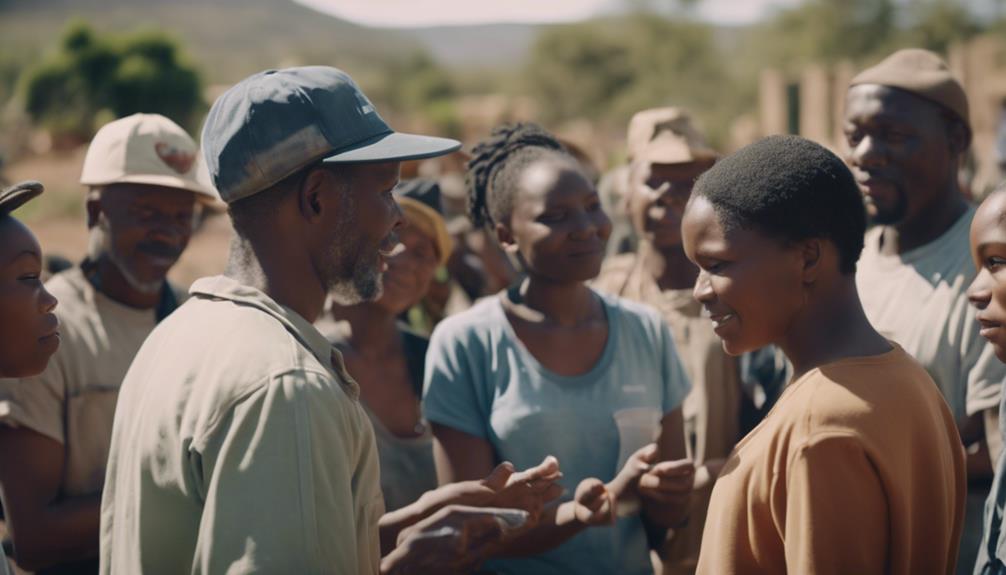
Community collaboration plays a pivotal role in fostering sustainable water conservation practices in South Africa. Through community engagement initiatives, such as education and awareness campaigns, local residents are actively involved in water-saving programmes to cultivate a culture of sustainable water use within their communities.
By encouraging collaborative efforts between communities and authorities, the goal is to minimise water wastage and promote efficient water management practices. These community-driven projects not only promote active participation but also instil a sense of ownership of water resources among residents.
South Africa's engagement with communities enhances the effectiveness of water conservation strategies, fostering a shared responsibility towards water sustainability. By empowering communities to take control of their water usage and conservation efforts, the nation can work towards a more water-conscious future where every individual plays a vital role in preserving this precious resource.
Conclusion
In conclusion, it's really important for us to start using water-smart building methods in South Africa if we want to keep our country beautiful and healthy. Imagine using systems that recycle water, smart networks that manage our water wisely, and collecting rainwater to use again. It's like giving our environment a big hug and making sure we have enough water for everyone.
Are you ready to join hands and create a future where we all think about how we use water? If you're not sure how to start, reach out to JB Property Group for guidance. They're here to help us make smart choices for our communities and our planet.