
In today's construction landscape, the escalating impact of climate change on water resources is undeniable. As environmental conditions shift, there's an urgent call for the industry to pivot towards more sustainable practices. This challenge resonates deeply with construction professionals who are witnessing firsthand the increasing scarcity and regulation of water supplies. The journey towards water-efficient solutions is not just a response to immediate pressures; it's a strategic move to future-proof projects against the backdrop of a changing climate.
Embracing this new reality, the construction sector is exploring innovative water management strategies and technologies. This transition is critical for building resilience and ensuring an environmentally responsible footprint. For those in the field, the push towards sustainability is not merely about compliance or cost-saving; it's about leading the charge in protecting our most precious resource. This evolution in water use symbolises a broader commitment to environmental stewardship and sets a benchmark for the industry's role in shaping a sustainable future.
Key Takeaways
- Climate change impacts construction water use through intense rainfall and droughts.
- Sustainable practices like greywater recycling and smart water meters aid water conservation.
- Green building certifications advocate for water efficiency in construction projects.
- Innovative technologies such as rainwater harvesting and advanced irrigation systems promote efficient water use.
Impact of Climate Change on Construction Water Use
The escalating effects of climate change are significantly altering water utilization practices within the construction industry. Climate change-induced factors such as more frequent and intense rainfall, rising temperatures, droughts, and extreme weather events are impacting construction water management. These changes pose challenges to maintaining water availability for construction activities like concrete mixing and dust control. Droughts resulting from climate change can disrupt water availability for projects, causing delays and cost overruns. Furthermore, extreme weather events such as floods and storms can damage construction sites, affecting water use and necessitating adaptations in water management strategies.
In response to these challenges, the construction sector is increasingly focusing on climate change adaptation by incorporating water-efficient technologies and practices. This proactive approach aims to mitigate water scarcity risks and enhance resilience in the face of evolving climate conditions. Implementing effective water management strategies is crucial for ensuring sustainable construction practices amidst changing environmental circumstances, safeguarding both project timelines and resource utilization at construction sites.
Water Conservation Strategies in Construction
How can construction industry stakeholders effectively implement water conservation strategies to address the growing concerns of water scarcity and sustainability in building projects?
Sustainable building practices play a pivotal role in water conservation. Technologies like greywater recycling systems significantly reduce freshwater demand in construction projects. Smart water meters enable efficient water management in buildings, ensuring that water is used judiciously.
The integration of low-flow appliances and water-saving designs not only promotes efficient water management but also contributes to long-term water conservation efforts. Circular water management approaches, facilitated through responsible building designs, help in the sustainable use of water resources.
Sustainable Water Management Practices
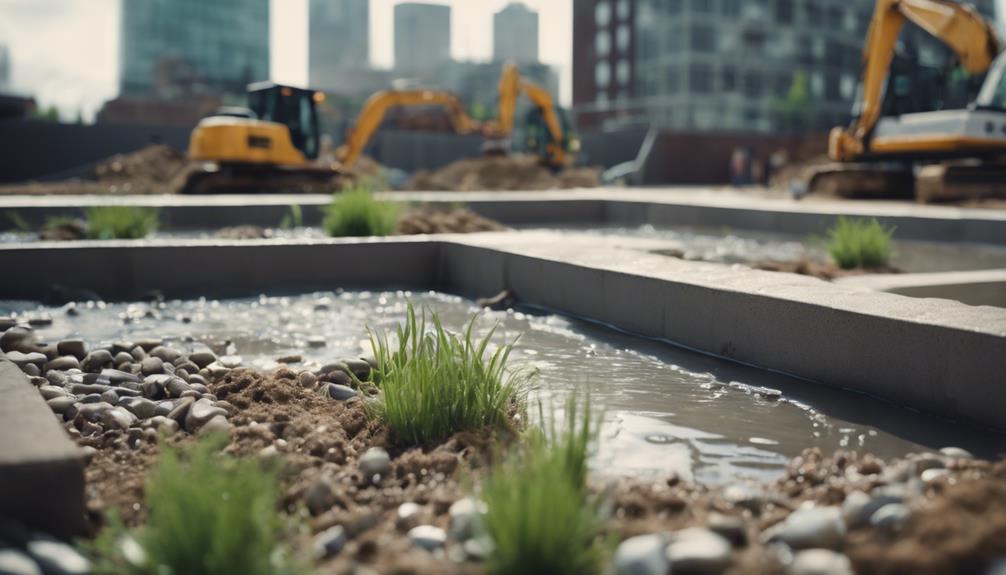
Sustainable water management practices in the construction industry are integral to addressing water scarcity and enhancing overall project sustainability. Green building certifications such as LEED and BREEAM advocate for water efficiency, driving the adoption of practices like greywater recycling systems and smart water meters.
Greywater recycling systems not only reduce reliance on freshwater sources but also minimise water consumption within buildings. Smart water meters, a component of sustainable water management, enable precise monitoring and control of water usage, promoting conservation efforts.
Additionally, the incorporation of low-flow appliances and water-saving designs in responsible building designs plays a crucial role in long-term water conservation in sustainable construction projects. Circular water management approaches further emphasise the importance of integrating water-saving designs into construction practices to foster water conservation and sustainability within the industry.
Embracing these sustainable water management practices is key to mitigating water scarcity challenges and promoting responsible water usage in construction projects.
Innovations for Efficient Water Use
Water-efficient fixtures and rainwater harvesting systems are proven methods to significantly reduce water consumption in construction projects.
Incorporating greywater recycling technologies and advanced irrigation systems with smart sensors can further optimize water usage and minimize wastage.
Additionally, sustainable landscaping practices like using native plants and drip irrigation play a crucial role in enhancing water efficiency in construction projects.
Technology for Water Efficiency
In the realm of modern construction practices, the integration of advanced technologies has revolutionised methods for enhancing water efficiency. Smart water meters enable real-time water tracking, aiding in efficient management and conservation. Sensor-based technologies detect leaks, optimising water flow to reduce wastage and promote efficiency. Automated irrigation systems adjust watering based on weather conditions, saving water and minimising runoff. Water-efficient fixtures such as low-flow toilets and faucets significantly cut down water consumption. Greywater recycling systems treat wastewater from sinks and showers for non-potable purposes, further enhancing efficiency.
| Technology | Description | Benefits |
|---|---|---|
| Smart Water Meters | Track real-time water usage, aiding in efficient management and conservation | Efficient water management |
| Sensor-based Technologies | Detect leaks, optimise water flow to reduce wastage and promote water efficiency | Reduce water wastage |
| Automated Irrigation Systems | Adjust watering based on weather conditions, saving water and minimising runoff | Water conservation |
Sustainable Construction Practices
Utilising cutting-edge green building materials and innovative technologies, the construction industry continues to advance its practices for optimising water use efficiency. Sustainable construction practices emphasise water conservation through strategies such as greywater recycling and circular water management.
Certifications like LEED and BREEAM play a crucial role in promoting sustainable construction by advocating for water-efficient designs and construction methods. Responsible building practices post-construction focus on minimising wastewater production through smart designs and technologies.
Challenges in Water Resource Management
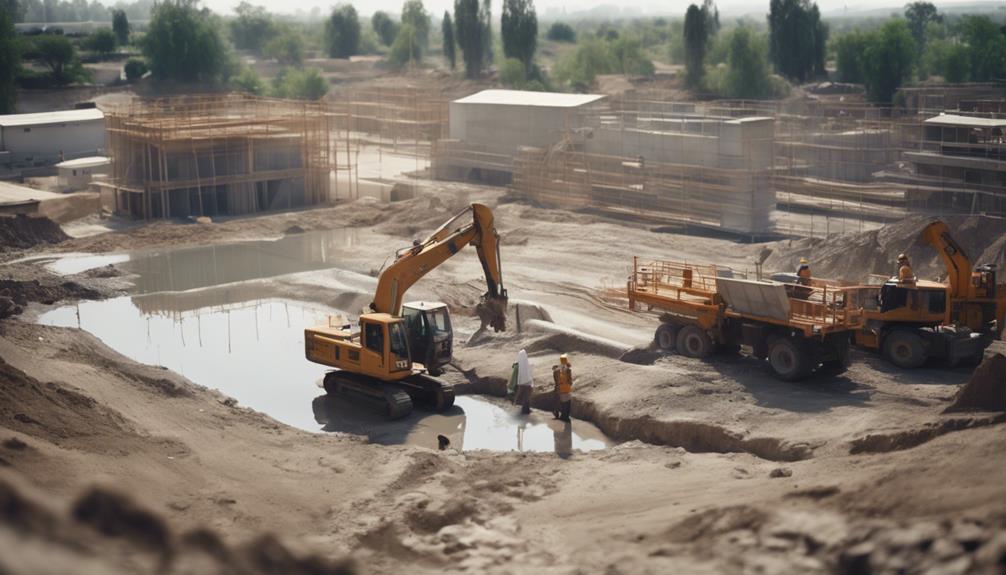
The challenges in water resource management within the construction industry stem from the significant impact of water scarcity on project timelines and costs.
Implementing sustainable water practices, such as greywater recycling and smart water meter technologies, can mitigate these challenges by promoting water conservation throughout the construction process.
Innovation in conservation, such as circular water management approaches and responsible building designs, is key to addressing the long-term sustainability of water resources in construction.
Water Scarcity Impact
Amidst the critical global issue of water scarcity, the construction industry faces significant challenges in water resource management, necessitating strategic adaptations for sustainable operations. Global water scarcity impacts construction projects worldwide, demanding efficient water management strategies to address limited water resources. This scarcity intensifies competition for water resources, affecting construction activities and increasing costs due to the reliance on alternative water sources and conservation measures. Sustainable water management practices are essential for mitigating the impact of water scarcity on construction projects.
| Challenges in Water Resource Management |
|---|
| Increased competition for water resources |
| Need for alternative water sources |
| Impact on construction costs |
Sustainable Water Practices
In the realm of sustainable water practices within the construction industry, addressing challenges in water resource management is paramount for ensuring long-term environmental and economic viability.
Millions of gallons of water are wasted annually in Europe due to inadequate safeguards in construction processes. Sustainable building materials and technologies, along with green building certifications like LEED and BREEAM, play a crucial role in promoting water-efficient practices.
Efforts to capture and recycle greywater are being implemented to reduce the demand for freshwater sources. Circular water management approaches through responsible building designs are being fostered to conserve water resources.
Embracing innovative water-saving measures is essential to reduce water consumption and promote sustainable water practices in construction.
Innovation in Conservation
Efficiently managing water resources remains a critical challenge within the construction industry, necessitating innovative approaches to conservation. Sustainable building materials and technologies, along with green building certifications such as LEED and BREEAM, are pivotal in promoting water-efficient practices to minimise water consumption.
Greywater recycling initiatives in construction projects help reduce the overall demand for freshwater sources, contributing significantly to freshwater conservation efforts. Circular water management approaches, facilitated through responsible building designs, play a crucial role in long-term water conservation in the construction industry.
Despite these advancements, the construction sector in Europe alone still wastes millions of gallons of water annually due to insufficient safeguards. Embracing water-efficient practices and integrating conservation strategies into construction processes are imperative steps towards sustainable water use within the industry.
Future Trends in Construction Water Use
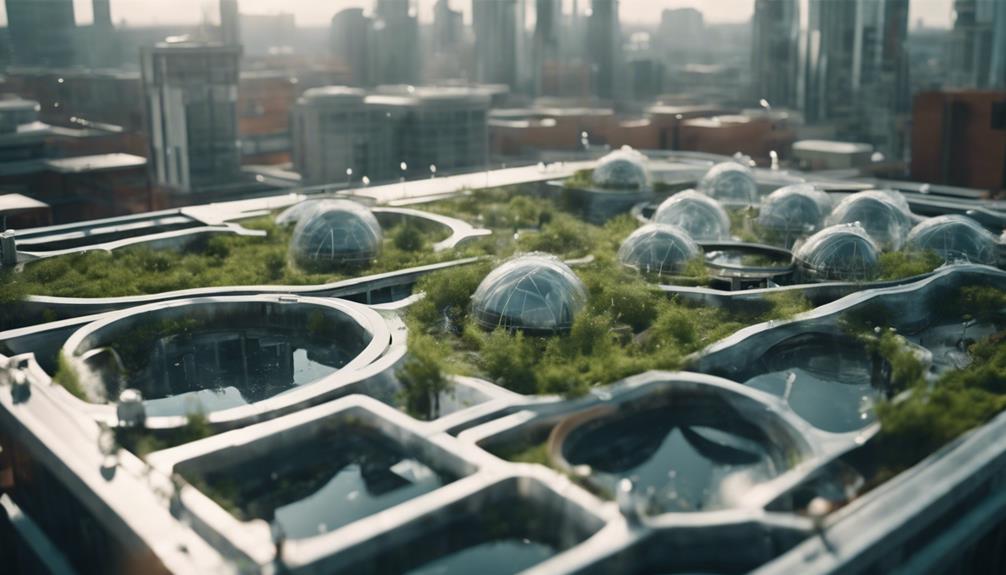
The evolution of water use practices in construction is increasingly influenced by innovative technologies and sustainability-driven strategies. Future trends in construction water use focus on optimising water consumption through various means.
Water recycling systems play a crucial role, with the potential to reduce water usage in construction by up to 50%. Embracing green building certifications is becoming standard practice, propelling the adoption of water-efficient measures in construction projects.
Integration of smart water meters enables real-time monitoring and optimisation of water usage, promoting sustainability objectives. Implementing low-flow appliances and water-saving designs not only enhances efficiency but also contributes significantly to long-term water conservation efforts.
Embracing circular water management approaches in construction projects is key to minimising waste and fostering responsible water usage practices. The future of construction water use lies in a holistic approach that prioritises sustainability, conservation, and optimisation to meet the challenges posed by water scarcity and climate change.
Conclusion
To wrap things up, it's clear as day that climate change is messing with how much water we need for building stuff. We've got to start saving water and using it smartly.
It's like when you're playing a game, and you've got limited resources to win – you figure out the best way to use what you've got, right? That's exactly what we need to do with water in construction. By coming up with new ways to use water better, we can tackle the big water problems the building world is facing.
As we move forward, the way we use water is going to keep changing to keep up with our planet's changing climate. This means we need to be on our toes, ready to take on the challenge of using water wisely.
And hey, if this sounds like a lot to handle, don't sweat it. If you're looking for some help, reach out to JB Property Group. They know the ins and outs of making sure water is used in the smartest way possible in construction. Whether it's saving water or finding new ways to use it, they're the folks to talk to.