
As South Africa grapples with a severe water crisis, the urgency for innovative solutions has never been more acute. The stark reality of dwindling water supplies combined with escalating demand presents a formidable challenge, touching every facet of society. For those invested in the built environment, the spotlight turns to green construction techniques as a beacon of hope. These methods promise not only to curtail water usage but also to forge a sustainable path that lessens the environmental footprint, making them an indispensable tool in our arsenal against water scarcity.
The adoption of water-efficient strategies in construction is more than a mere response to a crisis; it is a forward-thinking approach that aligns with the global shift towards sustainability. By embracing practices that enhance water conservation, South Africa can set a precedent for environmental stewardship while addressing the immediate needs of its population. This vision of a water-wise future is not only about securing resources but also about building resilience and promoting an ethos of care for our planet.
Key Takeaways
- Implement xeriscaping and native plants for water-efficient landscaping.
- Utilize rainwater harvesting systems for non-potable water needs.
- Recycle greywater to reduce freshwater demand in buildings.
- Install water-efficient fixtures and permeable pavements for sustainable water management.
Sustainable Landscaping Practices
Sustainable landscaping in South Africa plays a pivotal role in conserving water resources by focusing on the use of native plants that are well-adapted to the local climate and require minimal irrigation. By incorporating xeriscaping principles, which emphasise water-efficient landscaping techniques, water usage in outdoor spaces can be significantly reduced. One key aspect of sustainable landscaping is the integration of drip irrigation systems, which deliver water directly to the plant's root zone, minimising evaporation and runoff. This targeted approach not only conserves water but also promotes plant health and growth.
Furthermore, sustainable landscaping designs in South Africa often feature green roofs, living walls, and permeable paving materials. Green roofs and living walls help manage stormwater runoff by absorbing and filtering rainwater, reducing the strain on municipal drainage systems. Permeable paving allows rainwater to infiltrate the ground, replenishing groundwater sources and reducing the risk of flooding. Overall, sustainable landscaping practices are essential for water conservation efforts in South Africa, contributing to a more efficient use of water resources in outdoor environments.
Rainwater Harvesting Systems
Sustainable landscaping practices in South Africa, particularly those emphasising water-efficient techniques such as xeriscaping and drip irrigation, seamlessly lead into the implementation of rainwater harvesting systems for non-potable water uses in buildings. Rainwater harvesting systems play a crucial role in water conservation efforts within green buildings in South Africa.
Here are four key components of rainwater harvesting systems:
- Collection Surfaces: These surfaces, such as rooftops or impermeable pavements, collect rainwater and direct it towards storage tanks.
- Gutters: Channels attached to the edges of collection surfaces gather the rainwater and transport it to the storage tanks efficiently.
- Storage Tanks: These containers store the harvested rainwater for later use in irrigation, toilet flushing, laundry, and other non-drinking purposes.
- Distribution Systems: Pipes and pumps distribute the collected rainwater from the storage tanks to the intended areas within the building for various non-potable applications, promoting a sustainable water management system.
Greywater Recycling Methods
Greywater Recycling Methods
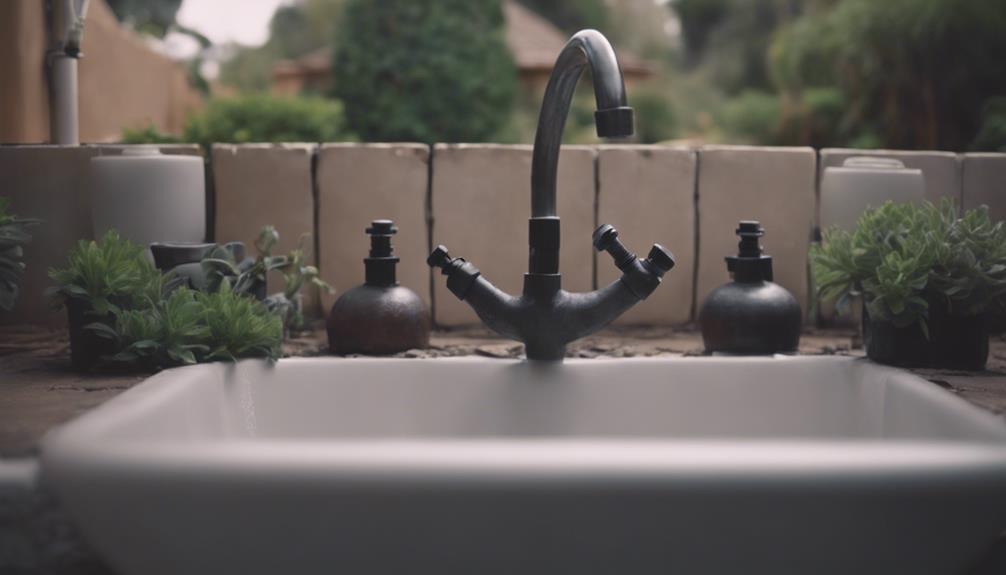
Greywater recycling methods involve the treatment of wastewater from sources like sinks and showers for reuse in non-potable applications, contributing significantly to water conservation efforts in buildings. By repurposing greywater, which would otherwise be wasted, these systems play a crucial role in sustainable water management practices. Integrated into buildings, greywater systems can serve various purposes such as landscape irrigation and toilet flushing, reducing the demand for freshwater resources. Particularly in regions facing water scarcity challenges, effective greywater recycling can lead to substantial reductions in overall water consumption.
Implementing greywater recycling methods in construction projects not only conserves water but also promotes environmentally friendly practices. The integration of greywater systems into buildings showcases a commitment to sustainable water management and conservation. Through the utilization of greywater for non-potable applications, such as toilet flushing and irrigation, buildings can significantly decrease their reliance on freshwater sources, contributing to overall water conservation efforts. By embracing greywater recycling, construction projects can play a vital role in sustainable water usage and environmental responsibility.
Water-Efficient Fixtures and Appliances
Water-Efficient Fixtures and Appliances
Water-efficient fixtures and appliances are essential components of green buildings, significantly reducing water consumption by up to 50%. When incorporating these elements into construction projects aimed at water conservation and achieving green building certification, consider the following:
- Low-flow toilets: These fixtures use significantly less water per flush compared to traditional toilets, contributing to substantial water savings over time.
- Low-flow taps: By limiting the water flow rate without compromising performance, these taps help conserve water without inconveniencing users.
- Energy Star-rated appliances: Appliances such as dishwashers and washing machines with this certification are designed to be more water-efficient, further aiding conservation efforts.
- Aerators on taps and showerheads: These devices mix air with water, reducing the overall water usage while maintaining adequate pressure, making them valuable additions for water conservation strategies in green buildings.
Implementing these water-efficient fixtures and appliances not only promotes conservation but also plays a crucial role in meeting the stringent requirements for green building certification.
Permeable Pavement Technologies
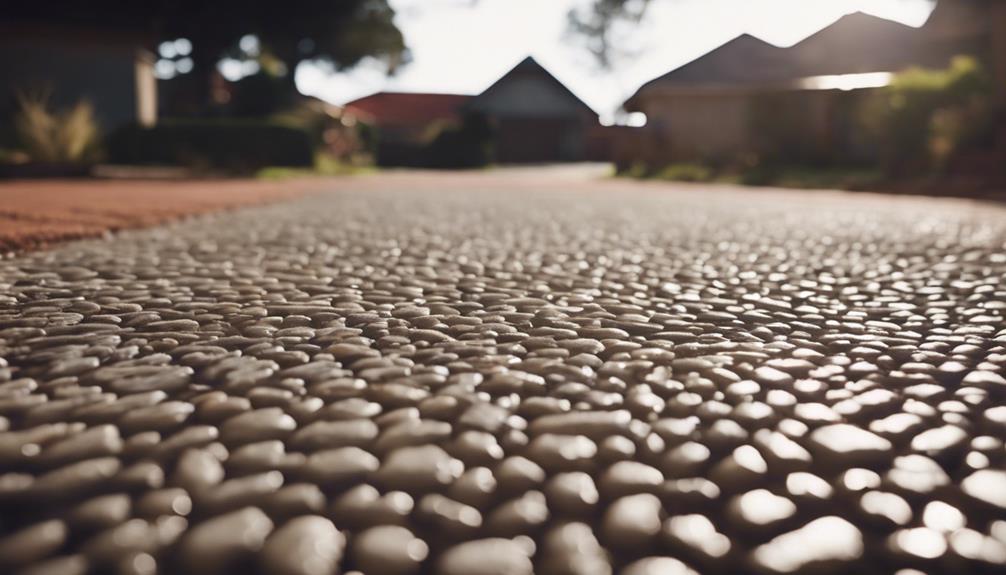
Permeable pavement technologies in South Africa offer a sustainable solution for managing stormwater infiltration, thereby reducing runoff and enhancing groundwater recharge. By allowing water to seep through the surface into the underlying soil, permeable pavements help prevent flooding and surface water build-up.
This process also aids in recharging groundwater reservoirs, ultimately improving water availability and quality in urban areas. Additionally, the implementation of permeable pavements promotes the use of sustainable urban drainage systems, alleviating pressure on traditional sewer systems and reducing the risk of overflows during heavy rainfall events.
Moreover, these technologies contribute to mitigating heat island effects by allowing water to evaporate from the pavement surface, thus cooling the surrounding environment. The use of permeable pavements aligns with green building principles and plays a crucial role in water conservation efforts in South Africa, making it a valuable component of environmentally conscious construction practices.
Conclusion
To wrap it up, imagine our beautiful South African landscapes thriving, all thanks to using smart ways to save water. By putting in place cool ideas like gardens that need less water, collecting rainwater, reusing slightly dirty water, fitting taps and showers that use less water, and using special ground that lets water through, we can make a huge difference.
These steps help us use less water, be more self-reliant, and look after our planet. It's super important for us to grab these awesome ideas with both hands to beat our water troubles and make sure we have a green and happy future.
If you're wondering how to start, reaching out to JB Property Group is a great first step. They know all about making these changes happen!