
Facing escalating water challenges, South Africa is at a crossroads. The nation's persistent droughts and water scarcity underscore an urgent need to rethink our approach to urban water management. This situation presents not just a challenge but an opportunity to innovate and transform how we construct our future cities to be more water resilient. The adoption of water-saving construction practices is not just a necessity but a responsibility for all stakeholders involved in shaping South Africa's urban landscapes.
The journey towards water resilience in South Africa is set to be revolutionised through the integration of sustainable practices and cutting-edge solutions. By harnessing innovative materials, smart technologies, and collaborative infrastructures, there is a promising pathway to significantly reduce water consumption in construction and urban development. This evolution in building practices is crucial in not only addressing the immediate concerns of water scarcity but also in laying the foundation for a sustainable and water-secure future for South Africa.
Key Takeaways
- Implementation of innovative water-saving materials and techniques is crucial.
- Smart water management technologies enhance sustainability in construction practices.
- Sustainable building designs and practices promote efficient water usage.
- Collaborative efforts are essential for advancing water-conserving infrastructure in South Africa.
Innovative Water-Saving Construction Materials
Incorporating innovative water-saving construction materials in building projects across South Africa revolutionises sustainable water management practices and enhances overall water efficiency.
Permeable concrete, a key material in this revolution, allows rainwater to seep through its surface, reducing runoff and replenishing groundwater sources. This feature promotes sustainable water management by mitigating flooding risks and supporting ecosystem health.
Additionally, rainwater harvesting systems play a crucial role in collecting and storing rainwater for various non-potable uses within buildings, such as irrigation, toilet flushing, and cleaning purposes. By reducing the demand on municipal water sources, these systems contribute significantly to water efficiency in construction projects.
Greywater recycling systems further enhance water sustainability efforts by treating wastewater from sinks, showers, and laundry for reuse in toilets and landscaping. This process conserves fresh water resources and reduces the strain on water supply infrastructure.
The integration of these innovative materials not only optimises water usage within buildings but also aligns with broader water sustainability goals in South Africa.
Smart Water Management Technologies
The integration of IoT devices and advanced sensors for monitoring water consumption and detecting leaks marks a significant advancement in smart water management technologies within construction projects in South Africa. These technologies enable real-time analytics, allowing for the optimisation of water usage and reduction of wastage. Implementing smart water meters provides precise tracking of water usage, aiding in the identification of inefficiencies. Advanced sensors play a crucial role in detecting leaks in municipal water systems, preventing water loss and promoting efficient water management practices. By utilising these technologies for proactive water management, South Africa can enhance sustainable construction practices and contribute to water conservation efforts. The table below illustrates key features of smart water management technologies in the context of construction projects:
| Feature | Description | Benefit |
|---|---|---|
| IoT Devices | Monitor water consumption | Real-time data for optimisation |
| Advanced Sensors | Detect leaks | Prevent water loss |
| Real-time Analytics | Optimise water usage | Reduce wastage |
| Water Conservation | Sustainable construction practices | Efficient water management |
| South Africa | Implementation in construction projects | Contribution to water conservation efforts |
Sustainable Water-Saving Building Designs
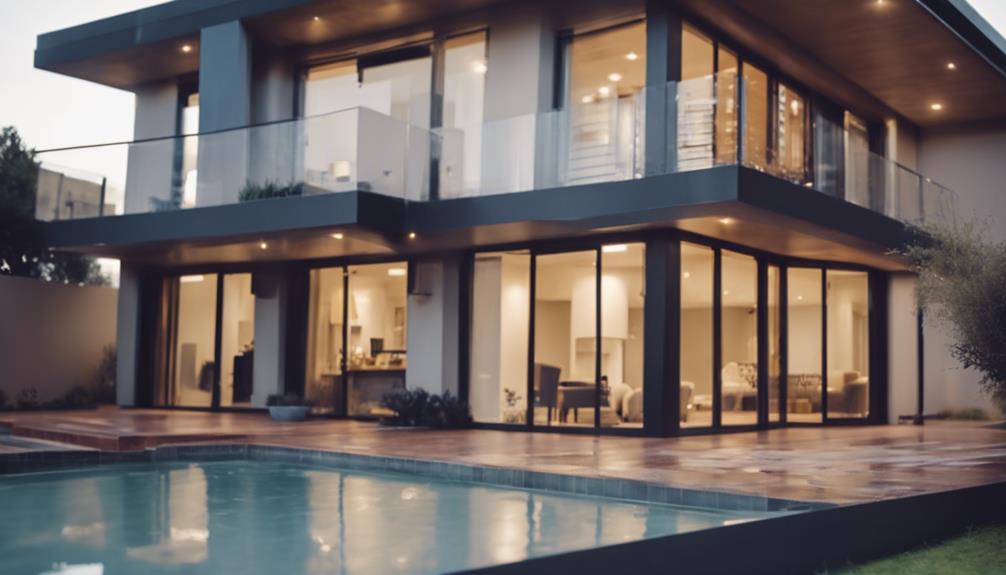
A hallmark of sustainable water-saving building designs in South Africa is the seamless integration of innovative water conservation technologies and practices. This integration aims to maximise water efficiency and minimise wastage throughout the lifecycle of a building.
Key elements of sustainable water-saving building designs include:
- Rainwater Harvesting: Capturing and storing rainwater for non-potable uses like irrigation and toilet flushing.
- Greywater Recycling: Treating wastewater from sinks, showers, and laundry for reuse in activities that do not require potable water.
- Efficient Plumbing Fixtures: Installing low-flow faucets, showerheads, and toilets to reduce water consumption.
- Green Building Certifications: Seeking certifications like Green Star SA and EDGE to validate adherence to water-saving principles.
- Water-Efficient Landscaping: Utilising native plants and drip irrigation systems to minimise outdoor water usage.
These components, along with innovative building materials and integrated design approaches, contribute to the overall sustainability and water efficiency of construction projects in South Africa.
Collaboration for Water-Conserving Infrastructure
Collaborative efforts involving various stakeholders are pivotal for advancing water-conserving infrastructure in South Africa. Partnerships between the government, private sector, and NGOs play a crucial role in driving innovation and investment in sustainable construction practices that aim to reduce water consumption.
By working together, these stakeholders can lead joint initiatives focused on developing eco-friendly buildings, green infrastructure, and water-efficient technologies. Shared resources and expertise among these parties are instrumental in supporting the implementation of water-saving measures in construction projects throughout the country.
Policy Implications for Water-Efficient Construction
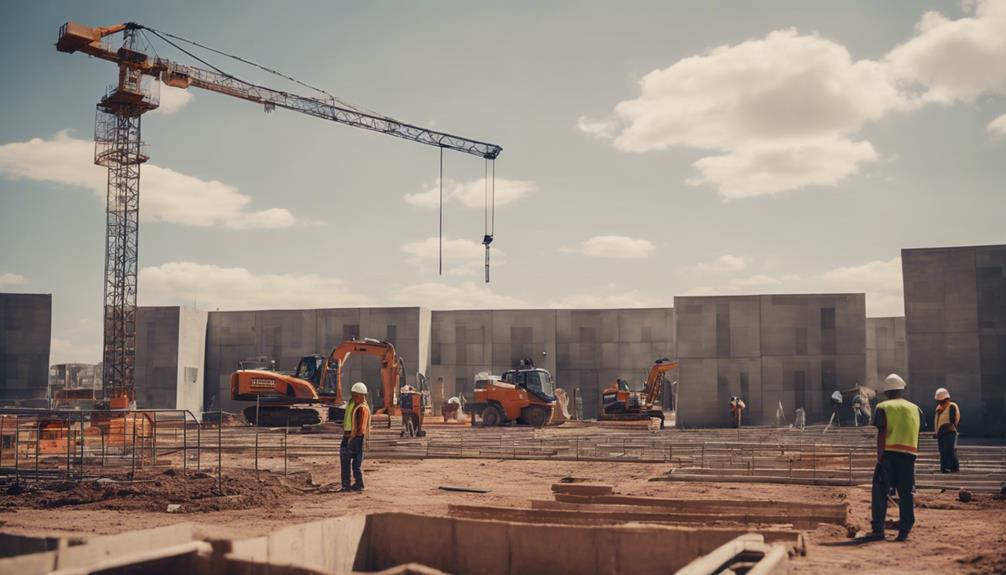
Amid the imperative for sustainable infrastructure development in South Africa, the integration of policy measures to enhance water-efficient construction stands as a crucial stride towards mitigating water scarcity challenges. Policy implications for water-efficient construction encompass various strategies aimed at promoting sustainability and reducing water consumption in the construction sector. These include:
- Promoting the use of sustainable building materials: Encouraging the adoption of eco-friendly materials that require less water during manufacturing and construction processes.
- Updating building regulations: Enforcing the incorporation of water-saving measures in construction practices, such as the installation of water-efficient fixtures and the implementation of greywater recycling systems.
- Government incentives: Providing financial incentives and subsidies to incentivize developers and builders to integrate water-efficient practices into their projects.
- Collaborations: Facilitating partnerships between policymakers, industry stakeholders, and water conservation experts to develop comprehensive guidelines for water-saving construction practices.
- Certification programs: Implementing programs to certify water-efficient buildings, setting standards and benchmarks for sustainable construction practices nationwide.
Conclusion
In conclusion, the road ahead for saving water in building things in South Africa is filled with exciting possibilities. Innovative materials that are kind to our planet, smart gadgets that help save water, designs that don't harm the environment, and people working together can make a huge difference. Some folks might worry about the cost at the beginning, but think about it – the water we save now will be there for our kids and their kids. It's like planting a tree today so that future generations can enjoy its shade.
If you're looking to build or make your place more water-smart, reaching out to JB Property Group could be a great first step. They're here to help guide you on this journey to a water-wise future.
By choosing ways to save water when we build or fix up our homes in South Africa, we're not just saving water; we're making sure there's enough for everyone in the future. It's like making a promise to our planet and our children that we'll look after the water we all depend on.