
In the face of mounting water scarcity challenges, the construction industry is under increasing pressure to adopt sustainable practices, particularly in water management.
The latest innovations in water reuse technology are not just about conservation; they're about revolutionising how we approach construction projects, making them greener and more efficient. These advancements, from sophisticated membrane filtration systems that tackle fouling head-on to the deployment of digital tools like artificial intelligence for more effective water treatment, are setting a new standard in environmental responsibility.
For professionals in the construction sector, these developments are a beacon of hope, offering practical solutions to the critical issue of water scarcity. By embracing these technologies, the industry can significantly reduce its environmental footprint, paving the way for a future where construction is synonymous with sustainability.
This shift towards innovative water management practices is not just a trend; it's a necessary evolution in our approach to building our world, ensuring we do so with the utmost respect for our precious water resources.
Key Takeaways
- Advanced filtration systems optimize water reuse efficiency in construction.
- Rainwater harvesting methods reduce reliance on external water sources.
- Greywater recycling systems repurpose wastewater for non-potable uses.
- Water-efficient fixtures minimize water wastage during construction projects.
Sustainable Water Reuse Solutions
The integration of sustainable water reuse solutions within construction practices plays a pivotal role in mitigating freshwater consumption and minimizing the discharge of wastewater. Technologies such as onsite water treatment systems and greywater recycling systems are instrumental in promoting sustainable building practices.
By incorporating these water reuse technologies, construction projects can not only enhance their environmental stewardship but also work towards achieving LEED certification and other green building credentials. These solutions support water conservation efforts, align with global sustainability goals, and reduce the carbon footprint of buildings.
Implementing water reuse technologies in construction demonstrates a commitment to resource efficiency and responsible water management. Through the adoption of these sustainable practices, construction sites can significantly reduce their reliance on freshwater sources and decrease the volume of wastewater generated.
This strategic approach to water reuse not only benefits the immediate construction project but also contributes to long-term sustainability objectives within the built environment.
Cutting-Edge Technologies for Construction Sites
Implementing cutting-edge technologies on construction sites revolutionises water management practices, enhancing efficiency and sustainability in resource utilisation.
- Advanced onsite water reuse systems like the Zero-Waste (ZeWa) system treat blackwater and greywater to produce clean water, liquid fertiliser, and solid organic material.
- Innovative solutions such as the EstuaryTM system by LeapFrog Design use plants to treat water in modular systems for greywater treatment, enabling reuse for non-potable purposes.
- Companies like Infinite Cooling are implementing TowerPulseä technology to optimise cooling tower efficiency using AI and recycle water from cooling tower plumes, reducing water and energy consumption.
- Cambrian Innovation is converting wastewater into renewable energy through bio-electrochemical systems, generating electricity during the treatment process and operating at over 30 customer sites.
- Pure Blue Tech's membrane filtration technology incorporates ultrasound to improve efficiency by reducing membrane fouling by up to 50%, making it a key component in various water and wastewater treatment applications.
Overcoming Water Scarcity in Construction
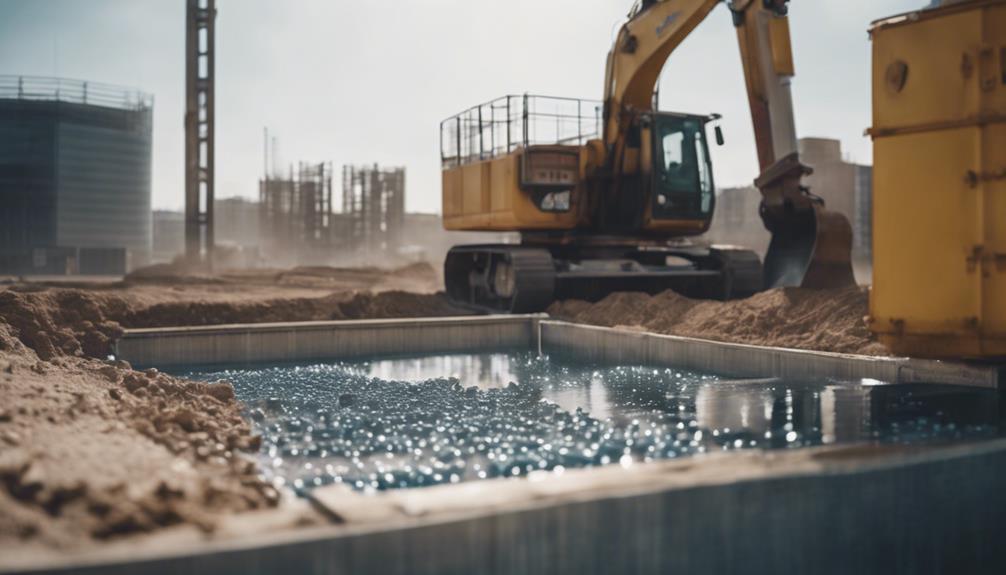
Addressing water scarcity in construction necessitates innovative water reuse technologies to optimize resource utilization and enhance sustainability practices on-site.
Water scarcity impacts construction productivity and sustainability due to fresh water shortages affecting various processes. By integrating advanced water reuse systems, construction sites can recycle and treat wastewater for non-potable uses, reducing water consumption, cutting costs, and minimizing environmental impact.
On-site water recycling solutions offer a practical approach to meeting water demands while promoting sustainable practices within the construction industry. Overcoming water scarcity through these technologies not only ensures efficient water management but also contributes to environmentally friendly building practices.
Embracing innovative water reuse methods in construction is crucial for enhancing resilience to water scarcity challenges and fostering a more sustainable approach to water resource management on construction sites. By adopting such solutions, construction projects can play a significant role in conserving water and reducing their environmental footprint.
Advancements in Construction Water Recycling
Incorporating state-of-the-art filtration systems into construction water recycling processes enhances efficiency and sustainability on project sites.
- Advanced filtration technologies can efficiently remove contaminants and sediments from construction water, ensuring its suitability for reuse.
- Construction water recycling systems play a crucial role in reducing water usage by up to 50% on construction sites, promoting sustainable water management practices.
- Treated construction water from recycling systems can be repurposed for various activities such as dust control, concrete mixing, and landscaping, further enhancing the site's efficiency.
- By implementing construction water recycling systems, projects can contribute towards achieving LEED certification and align with sustainable building practices.
- These systems not only aid in conserving freshwater sources but also help in controlling dust on construction sites, creating a safer and more environmentally friendly working environment.
Enhancing Water Management on Sites
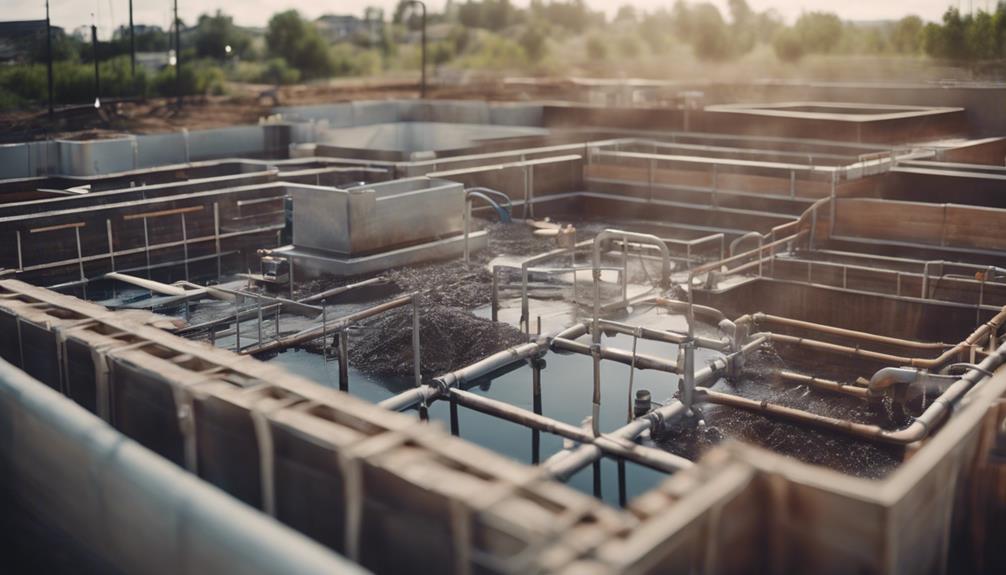
Enhancing Water Management on Sites
Efficient water management practices play a pivotal role in optimising resource utilisation and sustainability on construction sites. By implementing smart water meters and sensors, construction teams can closely monitor water usage patterns and swiftly identify leaks through real-time leak detection. Incorporating greywater recycling systems within construction projects offers a dual benefit of reducing freshwater consumption and lowering water bills.
Similarly, the integration of rainwater harvesting systems on sites enables the capture and storage of rainwater for non-potable uses like irrigation and other construction activities. Installing water-efficient fixtures and appliances in buildings contributes significantly to sustainable water management practices both during and post-construction.
Furthermore, the adoption of green infrastructure techniques such as permeable pavements and bioswales aids in managing stormwater runoff effectively while enhancing water quality on construction sites. These strategies collectively enhance water management practices, promoting sustainable water use and conservation within the construction industry.
Future Trends in Construction Site Water Conservation
Emerging advancements in water conservation practices within the construction industry to address future trends on construction sites are pivotal as construction sites aim for sustainability. Several key trends in water conservation are shaping the industry:
- Implementation of advanced filtration systems for efficient water reuse.
- Adoption of rainwater harvesting techniques to reduce reliance on external water sources.
- Integration of greywater recycling systems to repurpose wastewater for non-potable uses.
- Utilisation of water-efficient fixtures to minimise water wastage during construction activities.
- Embracing green building standards and pursuing LEED certification through water conservation initiatives.
These trends reflect a shift towards smart water management practices and eco-friendly construction processes, emphasising the importance of reducing water consumption, promoting sustainability, and meeting stringent environmental regulations.
Conclusion
In conclusion, the newest cool gadgets in water saving tech for building stuff are totally changing the game. They're making things work better and helping our planet too. Imagine tiny filters and sound waves cleaning water so we can use it again and again. This is super important because we don't have endless water, especially in places where it's really needed. These smart inventions mean we can keep building amazing things without wasting water. And guess what? There's more clever stuff being made all the time, so things are only going to get better. If you think this sounds awesome and you want to save water and money on your building projects, you should definitely talk to JB Property Group.
Using these innovations is a no-brainer because they're good for both your wallet and the planet. So, if you're building something, getting on board with these water-saving tricks is a smart move. Plus, you'll be doing your bit to look after our world's precious water. Remember, if you need a hand making your construction project greener and more water-wise, JB Property Group is there to help you make it happen.