
In the bustling heart of South Africa, the retail landscape is undergoing a remarkable transformation. As consumers, we've all felt the shift; the way we shop, interact, and engage with our urban environments is changing. This evolution touches on our deepest needs for convenience, sustainability, and innovation, driving us towards spaces that offer more than just shopping.
The future of malls and infrastructure in South Africa is at the forefront of this change, moving towards becoming integrated hubs that blend retail, leisure, and technology in an unprecedented manner.
These changes are not just about adapting to new consumer habits; they're about creating a sustainable future that resonates with our growing awareness of environmental issues and our demand for smart, connected spaces. South African malls are set to become the epitome of modern public squares – places where technology, green design, and community meet.
This vision for the future is not only exciting but essential, as it promises to redefine our communal and commercial landscapes in ways that align with our contemporary values and aspirations.
Key Takeaways
- Sustainable development integrates eco-friendly practices and green building materials.
- Technological advancements enhance mall construction through BIM and IoT.
- Economic impacts create jobs, boost spending power, and drive economic growth.
- Community-centric initiatives transform malls into multifaceted hubs supporting societal needs.
Trends in Mall Design Evolution
In the dynamic landscape of South African mall design evolution, a noticeable trend is the proliferation of small and medium-size retail centres to better align with the evolving preferences and demands of shoppers. These mid-size malls, typically ranging between 20,000 and 30,000 square metres, are strategically positioned to offer a more community-focused approach to shopping experiences.
Landlords and retailers are increasingly focusing on creating unique and immersive experiences for visitors, moving beyond traditional retail spaces. Incorporating movement in shopfronts, interactive areas, and converting roof spaces into inviting break areas are all part of this shift towards enhancing visitor engagement.
The concept of community shopping is gaining traction, with malls becoming not just places to shop but also social hubs where individuals can gather, relax, and interact. By emphasising the importance of experience and community within mall design, developers are aiming to cater to the changing needs of modern consumers who seek more than just products – they seek memorable experiences and connections.
Sustainability in Infrastructure Development
South African malls are increasingly incorporating green building materials and harnessing renewable energy sources to enhance sustainability in infrastructure development.
By adopting eco-friendly practices and pursuing green building certifications like Green Star, developers are showcasing a strong commitment to reducing environmental impact.
Integration of waste management systems and recycling programs further underscores the dedication to long-term resource efficiency in the evolving landscape of South African mall infrastructure.
Green Building Materials
The integration of green building materials in the development of South African malls exemplifies a strategic shift towards sustainable infrastructure practices aimed at reducing environmental impact and enhancing long-term resilience.
- Incorporation of eco-friendly options: South African malls are utilising recycled steel, reclaimed wood, and energy-efficient glass to promote sustainable construction.
- Adoption of sustainable practices: Low-emission concrete, solar panels, and water-saving fixtures are being employed to minimise environmental impact in mall development.
- Integration of green roofs and walls: These features not only enhance energy efficiency but also promote biodiversity and reduce the heat island effect.
- Embracing sustainable construction methods: Rainwater harvesting systems, LED lighting, and natural ventilation techniques are being implemented to reduce resource consumption and carbon footprint in infrastructure projects.
Renewable Energy Sources
The increasing adoption of renewable energy sources in mall infrastructure signifies a strategic shift towards sustainable practices and a reduction in environmental impact within South African development projects. South African malls are actively integrating renewable energy solutions like solar panels and wind turbines to diminish their carbon footprint and lower energy expenses.
Embracing renewable energy sources not only enhances the environmental friendliness of these malls but also aligns with global initiatives for a greener future. By exploring alternatives such as solar power for electricity generation, South African malls are moving towards reducing reliance on traditional energy sources. This transition highlights a progressive approach to infrastructure development, emphasising a commitment to sustainability and energy efficiency in the South African retail landscape.
Technology Integration in Mall Construction

Integrating advanced technology like Building Information Modelling (BIM) is transforming the construction process of malls in South Africa, enhancing precision and efficiency in planning and execution. As technology integration becomes more prevalent in mall construction, several key advancements are shaping the industry:
- Virtual and Augmented Reality: VR and AR technologies are being utilised to visualise mall designs and improve communication among stakeholders, leading to better decision-making processes.
- Smart Building Technologies: Integration of energy-efficient systems and automated controls within mall infrastructure is enhancing sustainability efforts and operational efficiency, aligning with global trends towards green construction practices.
- IoT Devices: South African malls are leveraging IoT devices for real-time monitoring of security, lighting, and HVAC systems. This not only enhances visitor experience but also ensures a safer environment for all.
- Digital Innovation: Adoption of digital signage, interactive kiosks, and mobile apps in mall construction is improving communication, wayfinding, and engagement with shoppers, creating a more interactive and dynamic retail environment.
Community-Centric Infrastructure Initiatives
Adopting a community-centric approach, modern malls in South Africa are increasingly transforming into multifaceted hubs that cater to a diverse array of societal needs beyond mere shopping. These malls are evolving into safe spaces that offer opportunities for shopping, socialising, working, and relaxation, becoming essential assets during times of crisis like the July 2022 riots.
To support mid-to-lower income communities, major malls are becoming load-shedding proof, ensuring they remain operational during power outages. Additionally, malls are playing a pivotal role in connecting advertisers with captive audiences and engaging with communities. The transformation of mall media and advertising towards a dynamic blend of static and digital content is enhancing the overall shopping experience.
Economic Impact of Mall Development
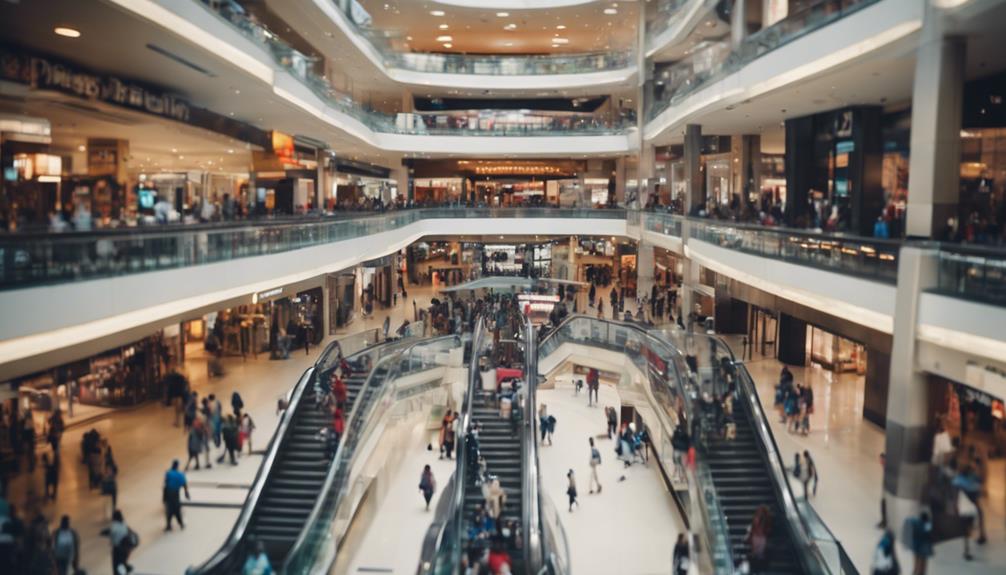
Mall development serves as a catalyst for economic growth in South Africa, offering significant job creation opportunities within the retail sector.
By providing a platform for small businesses to thrive and expanding the consumer base, malls play a crucial role in stimulating local economies.
Additionally, the construction and presence of malls spur investments in infrastructure and services, fostering a cycle of development and prosperity in surrounding communities.
Economic Growth Catalyst
The economic impact of mall development in South Africa is a significant driver of growth, playing a pivotal role in job creation, GDP contribution, and overall economic vitality.
- Increased Footfall: Malls attract a large number of visitors, boosting footfall and creating opportunities for businesses to thrive.
- Revenue Generation for Mall Owners: Mall owners benefit from rental income, business partnerships, and strategic collaborations, contributing to economic stability.
- Enhanced Consumer Spending: Malls stimulate consumer spending, driving economic growth through retail transactions and service utilization.
- Urban Development: Malls act as catalysts for urban development, attracting investments, improving infrastructure, and fostering a dynamic commercial landscape.
Job Creation Opportunities
Job Creation Opportunities
Job creation opportunities within the realm of mall development in South Africa emerge as a catalyst for economic expansion and sustained employment growth across various sectors. The potential for thousands of jobs in construction, retail, maintenance, security, and management presents a significant avenue for employment.
During the construction phase alone, engineers, architects, labourers, and support staff find employment. Once operational, malls offer diverse roles such as sales associates, cleaners, technicians, and administrative staff. Job creation in malls not only provides employment but also boosts economic growth by increasing spending power and supporting local businesses.
Furthermore, the ongoing maintenance and management of malls create long-term employment prospects for skilled workers in different sectors, contributing to the overall economic vitality of South Africa.
Future Challenges and Innovations
Investment in sustainability and security measures presents a pivotal challenge for the future evolution of South African retail infrastructure. As South African malls navigate through these challenges, several key factors need to be considered:
- Impact of Load Shedding: The unpredictable nature of load shedding in South Africa poses a significant threat to the operational continuity of malls, emphasising the need for sustainable energy solutions.
- Enhanced Security Measures: With the rising concerns around safety, the implementation of advanced security systems and protocols is imperative to ensure a secure environment for shoppers.
- Shift from Exclusivity Deals: The end of exclusivity deals with large retailers opens up opportunities for smaller businesses to thrive within the mall ecosystem, promoting diversity and innovation.
- Incorporation of Lifestyle-Centric Offerings: Future innovations in South African malls will focus on integrating lifestyle-centric furniture and accessories to cater to evolving consumer preferences and enhance overall shopping experiences.
Conclusion
Looking ahead, the way our shopping malls and the places around them are built and change is really exciting. Imagine malls not just full of shops, but places where every visit feels like an adventure. They're going to be greener, more filled with cool tech, and places where communities come together. It's like they're becoming mini cities within our cities, places where you can shop, hang out, and see amazing things all in one spot.
But, it's not always easy to make these dreams a reality. There will be bumps along the way, like figuring out how to make everything work together and keeping it kind to our planet.
The goal is to make these places not just somewhere you go to buy stuff, but a whole experience – something you can dive into and feel a part of. This means malls have to keep changing to keep up with what we all want, making sure every visit is something special. And if this sounds like a big task, it is! But it's also a super exciting one. If you or someone you know is thinking about this kind of stuff and needs a bit of guidance, reaching out to JB Property Group could be a great move. They know all about making spaces awesome for everyone.