
Navigating the realm of sustainable property development in South Africa presents a complex challenge teeming with opportunities to foster environmental stewardship, social cohesion, and economic growth. This pursuit goes far beyond the traditional boundaries of eco-friendly building practices, delving into the heart of how communities thrive, economies flourish, and environments are preserved for future generations. For those looking to make a meaningful impact, understanding the multifaceted nature of sustainability in property development is paramount, as it intertwines green infrastructure, inclusive community development, and innovative urban planning strategies.
At its core, sustainable property development in South Africa is a journey towards achieving a balanced integration of environmental care, social equity, and economic prosperity. It demands a forward-thinking approach that embraces the complexities of modern urban development while striving for resilience and inclusivity. For industry professionals, policymakers, and community advocates alike, the quest for sustainable property development is not just about constructing buildings but about reimagining the fabric of communities in a way that aligns with the principles of sustainability. This path is laden with challenges but equally rich with the potential for transformative change, setting the stage for a future where development and sustainability go hand in hand.
Key Takeaways
- Emphasizes energy-efficient designs and green building techniques to reduce environmental impact.
- Integrates renewable energy sources and green materials for resilience and sustainability.
- Promotes waste reduction, recycling programs, and sustainable transportation options.
- Essential for shaping a resilient and equitable society in South Africa.
Importance of Sustainable Property Development
The significance of embracing sustainable property development in South Africa lies in its pivotal role in fostering environmental stewardship, economic resilience, and social equity. By emphasising energy-efficient designs and green building techniques, sustainable property development aims to reduce the environmental impact of construction activities while addressing pressing issues like climate change.
Through promoting sustainable lifestyles and consumption patterns, this approach not only minimises carbon footprint but also sets a foundation for a more sustainable future. Legislation such as the Housing Act and RDP Policy underscores the importance of sustainable housing development for the well-being of present and future generations.
The integration of renewable energy sources, green materials, and inclusive communities further exemplifies the commitment to environmental, social, and economic sustainability in South Africa. Embracing sustainable property development is not merely an option but a necessity in shaping a more resilient and equitable society.
Key Elements of Green Infrastructure
Amidst the evolving urban landscape, the integration of green infrastructure stands as a foundational pillar for sustainable development and environmental resilience. Green infrastructure, encompassing systems like green roofs, rain gardens, permeable pavements, and bioswales, replicates natural processes to manage stormwater, combat urban heat island effects, enhance air quality, and promote biodiversity. By incorporating nature-based solutions into the built environment, green infrastructure plays a vital role in sustainable urban development, aiding in climate change mitigation, fostering resilience, and creating more livable cities. Investing in green infrastructure not only offers long-term benefits such as cost savings and increased property values but also contributes to improved public health outcomes. The table below highlights the key elements of green infrastructure and its multifaceted contributions to sustainable property development:
| Key Elements | Benefits | Role in Development |
|---|---|---|
| Green Roofs | Stormwater management, insulation | Climate change mitigation |
| Rain Gardens | Water filtration, biodiversity enhancement | Resilience |
| Permeable Pavements | Groundwater recharge, pollution reduction | Livable cities |
| Bioswales | Flood control, habitat creation | Investment in sustainability |
Benefits of Sustainable Mall Construction
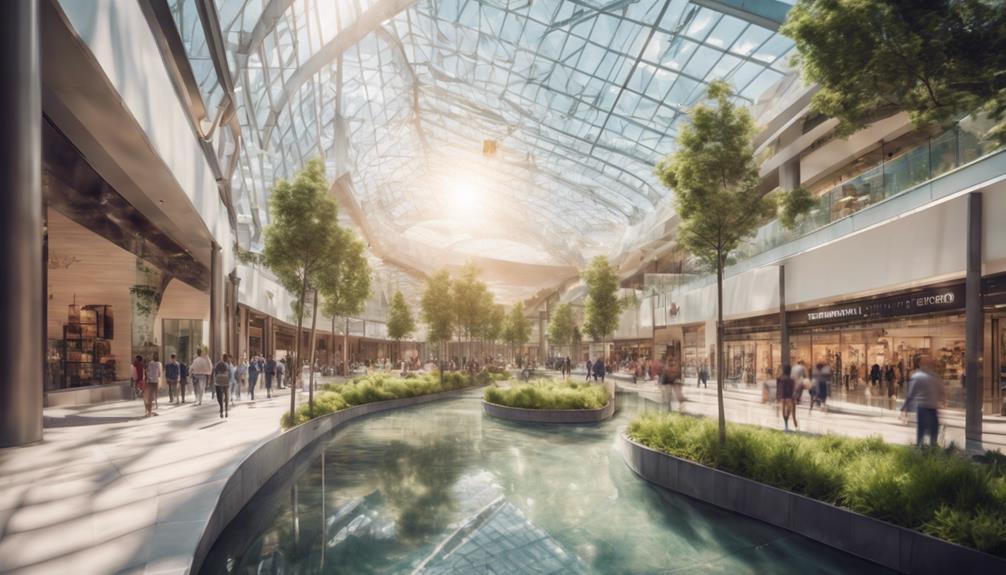
Enhancing sustainability in commercial developments, particularly in the realm of mall construction, yields a myriad of benefits for both the environment and the community.
Sustainable mall construction focuses on reducing energy consumption through the utilisation of energy-efficient lighting, advanced HVAC systems, and smart building technologies. By incorporating sustainable materials, water-saving fixtures, and eco-friendly landscaping practices, green malls in South Africa contribute to environmental conservation efforts.
LEED-certified malls in the region stand out for their innovative features such as rainwater harvesting systems, solar panels, and green roofs, which further enhance their sustainability credentials. Moreover, sustainable mall development prioritises creating healthy indoor environments by emphasising natural ventilation, low-VOC materials, and indoor plant installations.
These green shopping centres also promote waste reduction, recycling programmes, and sustainable transportation options, offering visitors a holistic and eco-conscious retail experience.
Challenges in Implementing Eco-friendly Practices
Challenges in the integration of eco-friendly practices within the South African property development sector persist due to limited availability of green building materials and technologies. Regulatory hurdles and the absence of incentives act as barriers to the widespread adoption of sustainable practices in property development.
High initial costs and perceived risks discourage some developers from embracing eco-friendly construction methods despite their long-term benefits. Moreover, insufficient awareness and education on the advantages of sustainable practices hinder their incorporation into property development projects. The construction industry's lukewarm support for eco-friendly initiatives and resistance to change further impede progress in this area.
Overcoming these challenges requires collaborative efforts to enhance the availability of sustainable building materials, streamline regulations, offer financial incentives, educate stakeholders, and shift industry norms towards embracing environmentally responsible practices. Addressing these obstacles is crucial for advancing sustainable property development in South Africa and ensuring a more environmentally conscious and resilient built environment.
Future Trends in Sustainable Development
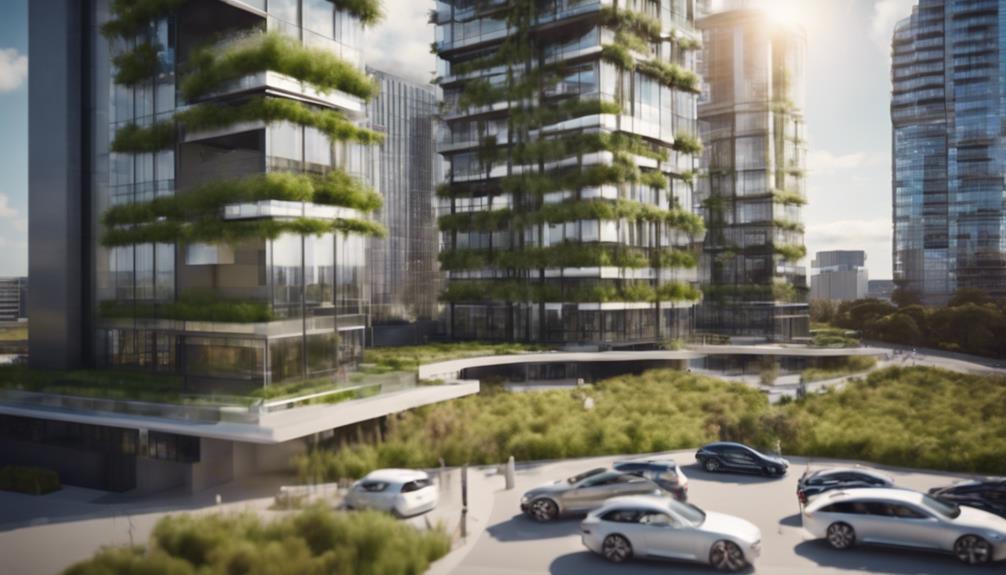
The global push towards net-zero emissions is shaping future trends in sustainable development, with a particular emphasis on eco-friendly products and practices in sustainable property development. As the world strives to combat climate change, the focus is increasingly on enhancing energy efficiency, reducing waste, and adopting renewable energy sources within the construction industry.
Green building techniques are becoming more prevalent, with a shift towards sustainable materials that have a lower environmental impact. The integration of these practices not only contributes to immediate benefits such as reduced carbon emissions but also promotes long-term sustainability by ensuring that properties are built to last with minimal negative effects on the environment.
Embracing these future trends in sustainable development is essential for the property development sector to align with global sustainability goals and meet the increasing demand for environmentally conscious buildings. By incorporating eco-friendly products and practices, the industry can pave the way for a more sustainable future.
Conclusion
In the end, making places to live in South Africa better is like taking care of a big, beautiful garden. It needs lots of different people working together – kind of like how you need sunshine, water, and good soil to make plants grow.
We're talking about the government giving a helping hand, homes that suit everyone, building in a way that's good for our planet, and making sure everyone feels included. This is how we make sure our garden – or our country – is a wonderful place where everyone can have a home, find chances to succeed, and dream of a brighter future.
If you're looking for help or advice on how to be part of this amazing effort, reaching out to JB Property Group is a fantastic idea. They know all about how to make things better and can guide you on your journey to making a difference.