
Embarking on mall development ventures in South Africa is akin to navigating a labyrinth, fraught with challenges that test the mettle of even the most seasoned developers. Regulatory frameworks often act as gatekeepers, dictating the pace at which projects can advance, while issues surrounding land acquisition loom large, potentially bringing endeavours to a halt. These obstacles, coupled with infrastructural constraints and the looming competition from established retail centres, paint a complex picture for those aiming to break new ground in the vibrant South African retail landscape.
Yet, within this maze of challenges, lies the opportunity for creativity and strategic thinking. Developers are called upon to devise innovative solutions that not only circumvent these hurdles but also pave the way for the seamless integration of retail and residential spaces. This evolving dynamic is reshaping the future of shopping and living in South Africa, promising exciting developments on the horizon for both consumers and investors alike.
Key Takeaways
- Regulatory approval challenges like zoning laws and permits impact SA mall developments.
- Land acquisition obstacles include high prices, limited parcels, and negotiation complexities.
- Infrastructure limitations such as inadequate roads and utilities hinder mall development.
- Competition from existing retail centers poses challenges in tenant mix and unique offerings.
Regulatory Approval Challenges
Navigating the intricate landscape of regulatory approval poses a formidable challenge for mall developments, entangled in a web of zoning laws, land use regulations, and environmental impact assessments. Compliance with building codes, permits, and local ordinances further complicates the approval process. Mall developers must ensure that their projects align with the specific requirements set forth by these regulations to secure the necessary approvals.
Environmental impact assessments play a crucial role in evaluating the potential effects of new mall constructions on the surrounding ecosystem. These studies help authorities determine the sustainability and environmental implications of the proposed developments. Additionally, public hearings and community feedback are integral components of the regulatory approval process. Engaging with the local community and addressing their concerns are essential steps in gaining the necessary approvals.
Delays in regulatory approval can have significant repercussions, impacting project timelines, budgets, and the overall feasibility of mall developments. To mitigate these challenges, developers must meticulously navigate the regulatory landscape and proactively address any issues that may arise during the approval process.
Land Acquisition Obstacles
Acquiring land for mall developments in South Africa presents significant obstacles due to high land prices in prime locations and the limited availability of suitable parcels in desired areas. In addition to these challenges, zoning restrictions and regulatory requirements further complicate the process.
Competition from other real estate developments and existing land uses adds another layer of difficulty, making it harder to secure the necessary land for new malls. Negotiating with landowners for contiguous parcels of land can be intricate, time-consuming, and subject to various terms and conditions.
To overcome these hurdles, developers must navigate the complexities of the real estate market, strategise their land acquisition approaches meticulously, and be prepared to engage in tough negotiations to secure the land needed for successful mall projects.
Infrastructure Development Limitations

Infrastructure Development Limitations
Facing constraints in infrastructure development, South African mall projects encounter challenges stemming from inadequate road networks and public transportation systems. Shopping malls have become central hubs for customers, relying heavily on smooth accessibility for foot traffic. Mall owners face difficulties in ensuring convenient access to retail spaces when roads are congested or public transport options are limited. Lack of proper infrastructure can also impact the positioning of anchor stores or department stores within the mall, affecting their visibility and attractiveness to customers.
Insufficient utilities such as water, electricity, and sewage systems near mall sites further exacerbate the situation, adding complexities to the development process. Delays in obtaining permits for infrastructure upgrades prolong the construction phase, impacting the overall timeline and budget. Limited access to skilled labour and construction materials can hinder the quality and pace of infrastructure development, while inadequate funding options pose significant obstacles to completing necessary improvements.
Overcoming these infrastructure challenges is crucial for the successful establishment and operation of shopping malls in South Africa.
Competition From Existing Retail Centers
Given the challenges posed by infrastructure limitations in South African mall developments, the competition from existing retail centres presents a significant hurdle that necessitates strategic differentiation and innovative approaches to attract and retain customers. Existing retail centres in SA have a built-in customer base and established brand loyalty, making it challenging for new mall spaces to sway consumers. To address this competition, mall developers must consider several key factors:
- Location: Retail centres with convenient locations can draw foot traffic away from new malls.
- Diverse Offerings: Offering a wide range of products and services can help attract evolving consumer preferences.
- Operating Costs: Established centres often have lower operating costs, impacting pricing competitiveness.
- Unique Experiences: Malls need to provide unique experiences and incentives to entice customers to visit malls.
- Tenant Mix: Strategic management of tenant mix is crucial to meet the changing shopping habits of consumers.
To navigate the competition from existing retail centres successfully, mall developers must work closely with the Managing Director to implement innovative strategies that set them apart in the market.
Socio-Economic Factors Impacting Development
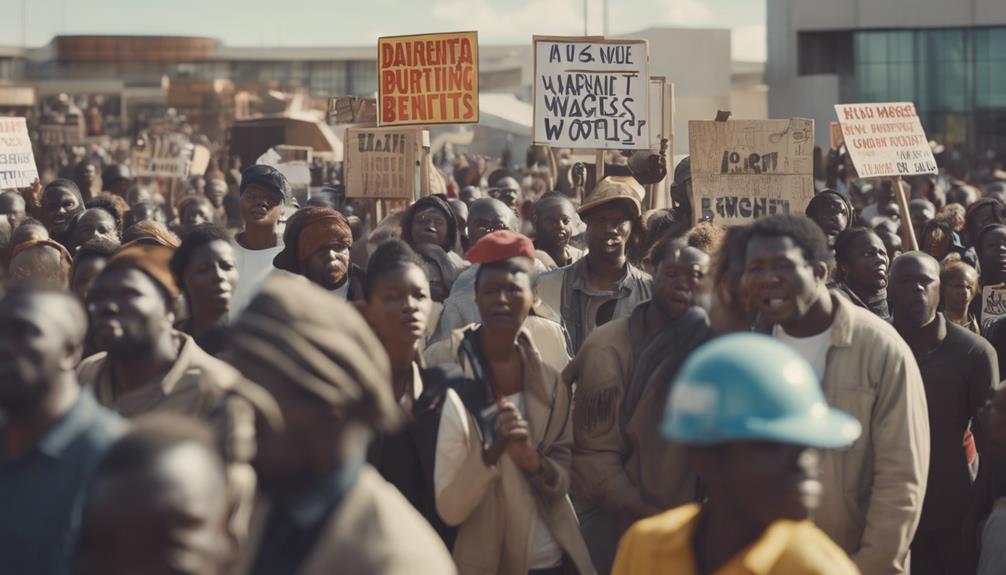
Socio-economic factors play a pivotal role in shaping the landscape of mall developments in South Africa, influencing various aspects from financing challenges to consumer behaviour and market dynamics. Income disparities and consumer preferences are key determinants of the success of mall projects, as they impact the target market's purchasing power and shopping habits.
Securing financing and investment for mall developments is often hindered by economic uncertainty and unfavourable market conditions, posing significant challenges to developers. Moreover, high unemployment rates in the region can lead to decreased consumer spending and foot traffic in malls, ultimately affecting profitability.
The cultural diversity and evolving demographics in South Africa necessitate tailored marketing strategies and tenant selections to cater to the varied preferences of the population. Additionally, factors such as access to transportation, urbanisation patterns, and shifting retail trends further influence the feasibility and sustainability of mall projects in the country.
Conclusion
In the end, the challenges that South African mall projects face are really complex and need smart thinking and new ideas to beat them. Imagine trying to get permission to build your dream house but having to jump through so many hoops, finding the perfect spot but someone else owns it, or trying to lay down pipes and roads with not enough tools.
Now, picture also having to compete with the big, flashy shopping centres that are already everyone's favourite, and trying to build in places where it's really hard for people to even get by. It's like a giant puzzle that needs all the pieces to fit just right. But, there's a silver lining – being able to change and adapt is the golden key to winning in the ever-changing world of shopping and living spaces.
If this sounds like a mountain too high to climb, don't worry. Reach out to JB Property Group for a helping hand. They know how to navigate these tricky waters and can guide your project to success.