
In the dynamic world of South African construction, industry professionals and stakeholders are constantly navigating the challenges of modernising infrastructure while ensuring sustainability and efficiency. As the demand for innovative solutions and green building practices increases, there is a palpable shift towards adopting technologies and methodologies that promise to not only enhance project outcomes but also address the urgent environmental concerns. This transition is not just about meeting today's needs; it's about shaping a future where construction contributes positively to both the economy and the environment.
The burgeoning trends in the construction sector offer exciting prospects for transforming urban landscapes and redefining living spaces in South Africa. From the adoption of smart city concepts to the utilisation of renewable materials, these advancements stand at the forefront of a revolution in how buildings are conceived, constructed, and operated. For industry professionals, staying abreast of these developments is not merely an option but a necessity to remain competitive and responsive to the evolving demands of society.
Key Takeaways
- Integration of green building certifications and renewable energy for sustainable construction.
- Embracing smart city development with IoT technologies and efficient resource management.
- Adoption of modular and prefabricated construction methods to enhance efficiency.
- Focus on sustainable building materials, green infrastructure, and renewable energy integration.
Sustainable Building Practices
Sustainable Building Practices
Sustainable building practices in South Africa have emerged as a pivotal strategy to mitigate environmental impact and enhance energy efficiency within the construction sector. The integration of green building certifications such as Green Star and EDGE signifies a shift towards environmentally conscious construction practices.
Utilising renewable energy sources like solar panels and wind turbines has become increasingly prevalent in sustainable building projects, reducing reliance on traditional energy grids. Water conservation techniques like rainwater harvesting and greywater reuse are being incorporated into construction designs to minimise water wastage and promote sustainability.
The use of sustainable materials including recycled steel, bamboo, and eco-friendly insulation further underscores the commitment to reducing the carbon footprint of construction projects. Embracing these practices not only benefits the environment but also aligns with global efforts towards sustainable development.
Building certifications play a crucial role in certifying the adherence to these sustainable practices, ensuring that construction projects meet established environmental standards and contribute positively to energy efficiency and environmental conservation in South Africa.
Smart Cities Integration
The integration of IoT devices and sensors in infrastructure for real-time data collection and analysis stands as a pivotal focus within South Africa's smart city initiatives, aimed at enhancing urban living and sustainability.
South Africa's investments in smart city projects are geared towards optimizing resource management, enhancing public services, and improving the overall quality of life for its citizens. Part of this vision includes the implementation of smart transportation systems and energy-efficient solutions to reduce environmental impact and increase efficiency.
Collaborations with technology partners and stakeholders are key drivers in the development of these smart cities, ensuring that cutting-edge solutions are implemented effectively. By leveraging IoT technologies, South Africa is paving the way for a more connected, efficient, and sustainable urban environment.
Through real-time data analysis and innovative infrastructure, smart cities in South Africa are poised to revolutionize the way cities operate, offering a glimpse into the future of urban development.
Modular and Prefabricated Construction

Modular and prefabricated construction methods in South Africa offer fast assembly techniques utilizing sustainable building materials. These approaches involve the off-site construction of building components in controlled environments to accelerate project timelines.
Fast Assembly Methods
Prefabricated and modular construction techniques are increasingly favoured in South Africa for their efficiency and cost-effectiveness. These methods involve off-site assembly of building components in a controlled environment, allowing for faster assembly on-site.
Prefabricated construction can reduce construction time by up to 50% compared to traditional methods. Modular construction offers customisation, scalability, and decreased waste generation during the construction process. This trend towards fast assembly methods is expected to continue growing in South Africa as the construction industry embraces innovative and sustainable practices.
Sustainable Building Materials
Utilising sustainable building materials in construction projects through innovative assembly methods enhances environmental efficiency and project sustainability.
- Sustainable building materials like modular and prefabricated construction methods can reduce construction waste by up to 90%.
- The use of eco-friendly materials in construction has the potential to lower carbon emissions by up to 50% compared to traditional methods.
- Modular construction enables faster project completion, with some projects finishing up to 50% quicker due to streamlined processes.
- Prefabricated building components, manufactured off-site, reduce on-site labour needs and enhance overall construction efficiency.
Incorporating these sustainable materials aligns with green building certifications and environmental regulations, offering significant benefits to the construction industry in South Africa.
Green Infrastructure Development
Green infrastructure development in South Africa involves several key components. These include the use of sustainable building materials, the establishment of urban green spaces, and the integration of renewable energy sources. Through these efforts, the construction sector is actively supporting environmental conservation and fostering a more sustainable future. This strategy not only reflects international movements towards eco-friendly practices but also demonstrates the nation's dedication to minimizing its carbon emissions.
Sustainable Building Materials
The adoption of sustainable building materials in South Africa's construction sector is rapidly increasing, driven by a growing emphasis on environmental responsibility and resource efficiency.
This shift towards eco-friendly practices is evident in the rising popularity of materials like recycled steel and bamboo. The focus on green infrastructure development is encouraging the use of environmentally friendly construction methods to reduce the carbon footprint of buildings.
Utilising solar panels, green roofs, and energy-efficient insulation are becoming common practices in construction projects across the country.
Urban Green Spaces
The integration of urban green spaces in South Africa's infrastructure development plays a crucial role in enhancing environmental sustainability and urban resilience. These spaces, including urban parks, green roofs, vertical gardens, and community gardens, are vital for enhancing biodiversity, reducing urban heat island effects, and improving air quality.
By incorporating green infrastructure into urban planning, South Africa aims to mitigate climate change impacts, promote wellness, and create recreational opportunities for urban residents. This strategic development aligns with global trends towards sustainable urban development, fostering resilient cities that prioritise the well-being of their inhabitants.
Urban green spaces not only contribute to a healthier environment but also play a significant role in creating liveable and vibrant urban areas for the future.
Renewable Energy Integration
South Africa's strategic shift towards renewable energy integration in construction projects marks a pivotal transition towards sustainability and environmental conservation in the country's infrastructure development efforts.
Key Points:
- The country is transitioning to solar and wind energy projects to combat the energy crisis.
- Green infrastructure development promotes sustainability and environmental conservation by reducing reliance on fossil fuels.
- Easing bureaucratic hurdles encourages private investors and public-private partnerships in renewable energy projects.
- Integrating renewable energy into construction projects is essential for creating a more sustainable and eco-friendly built environment, offering significant growth and innovation opportunities in the South African construction industry.
Digital Twin Technology Implementation
Implementing digital twin technology in construction revolutionises project monitoring and optimisation by creating virtual replicas of physical assets for real-time analysis and decision-making.
In South Africa, the construction industry is increasingly adopting digital twin technology to enhance real-time monitoring capabilities using IoT sensors and data analytics.
This integration allows for the collection of valuable insights that can significantly improve project planning, risk management, and overall productivity.
Affordable Housing Solutions
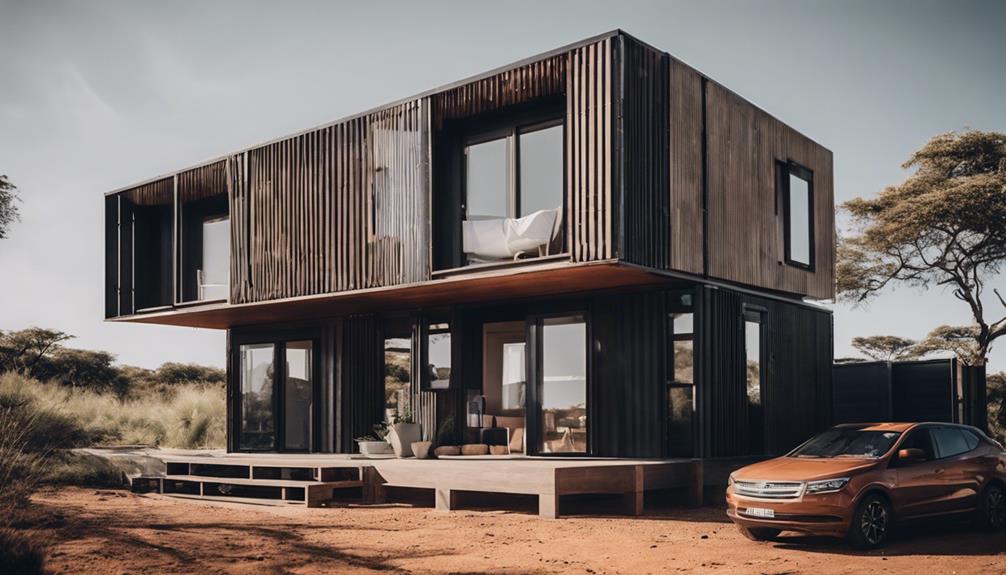
The implementation of modular housing designs and community co-living spaces represents a significant shift towards cost-effective and sustainable solutions in the affordable housing sector in South Africa.
Modular housing designs offer flexibility and efficiency in construction processes, enabling faster project completion and reduced labor costs.
Additionally, community co-living spaces promote social interaction and shared resources, fostering a sense of community while optimizing land use in urban areas.
Modular Housing Designs
Modular housing designs offer a compelling solution to address the urgent need for affordable housing in South Africa by providing efficient and cost-effective construction methods. These designs involve prefabricated components that are assembled on-site, reducing construction time and costs.
- Modular housing promotes sustainability by minimizing waste and energy consumption during construction.
- The flexibility of modular designs allows for customization to meet various housing needs and preferences.
- This trend is gaining popularity in South Africa due to its quick construction process.
- The modular approach ensures high-quality results, meeting standards for durable and safe housing solutions.
Community Co-Living Spaces
With the growing demand for innovative affordable housing solutions in South Africa, community co-living spaces have emerged as a promising model to address housing challenges faced by individuals and families. These spaces provide shared amenities and communal living areas, offering cost-effective rental options to promote a sense of community.
Prioritising social interaction, sustainability, and affordability, community co-living spaces cater to the needs of a diverse population in urban areas. The trend of these spaces is gaining popularity, meeting the demand for affordable and communal living arrangements.
Drone and UAV Utilization
Utilising drones and UAVs has become integral to the advancement and optimisation of construction practices in South Africa. These technologies are revolutionising the South African construction industry by enhancing efficiency, safety, and innovation.
Here are four key points highlighting the significance of drones and UAVs in construction:
- Aerial Surveys: Drones and UAVs are increasingly used for conducting aerial surveys of construction sites, providing detailed insights and data from a bird's eye view.
- Mapping: These technologies enable accurate mapping of construction sites, helping in effective planning and resource allocation.
- Monitoring: Drones equipped with cameras and sensors offer real-time monitoring capabilities, allowing project managers to track progress and ensure quality control.
- Efficiency: By enabling quicker and more accurate site inspections, drones and UAVs reduce time and costs associated with traditional methods, ultimately enhancing overall project efficiency.
The utilisation of drones in the construction sector of South Africa is expected to continue growing, driving further innovation and productivity in the industry.
Circular Economy Principles
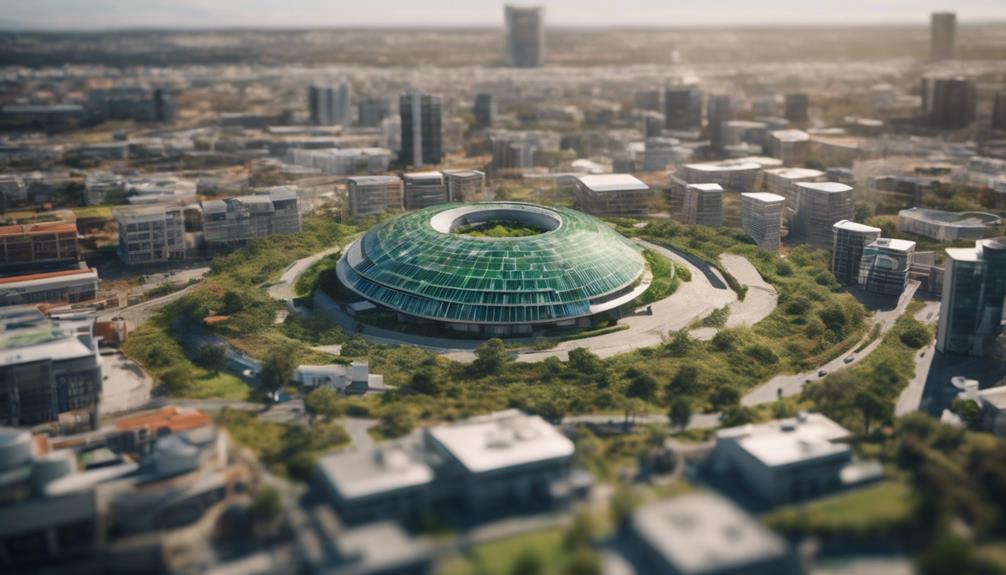
Adopting circular economy principles in the construction sector of South Africa highlights a strategic shift towards sustainable resource management and environmental stewardship.
The construction industry in South Africa is increasingly concentrating on sustainable development by promoting resource efficiency and waste reduction through circular economy practices.
This involves a fundamental rethinking of traditional construction methods to prioritize reuse, recycling, and repurposing of materials, thereby minimizing the environmental impact of projects.
3D Printing in Construction
Adopting circular economy principles in the construction sector of South Africa has paved the way for the integration of innovative technologies like 3D printing, which is increasingly revolutionising the industry with its cost-effective and efficient construction capabilities.
Key Points on 3D Printing in Construction:
- Cost-Effectiveness: 3D printing reduces construction costs by minimising material waste and labour expenses.
- Efficiency: This technology allows for the rapid construction of complex structures, saving time compared to traditional methods.
- Affordable Housing: Companies such as ICON and COBOD have demonstrated the potential of 3D printing in constructing affordable housing units, addressing housing shortages in South Africa.
- Infrastructure Development: South Africa's construction industry is exploring 3D printing to meet the growing infrastructure needs efficiently and sustainably.
Innovative Urban Planning Strategies
Innovative Urban Planning Strategies
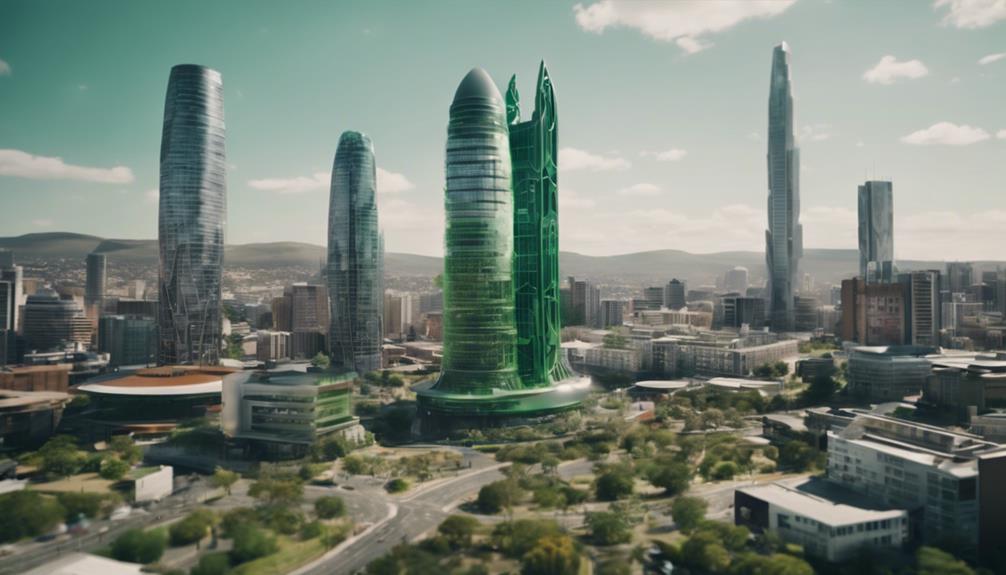
How can urban planning strategies in South Africa leverage innovative approaches to enhance efficiency and sustainability in major cities? The integration of smart city concepts, data analytics, and IoT technologies is revolutionising urban planning in South Africa. By utilising these tools, urban planners can make informed decisions that lead to more efficient resource allocation and sustainable development. Moreover, the emphasis on green infrastructure and mixed-use developments is crucial in creating urban spaces that are both environmentally friendly and economically viable.
In addition to this, there is a growing focus on developing walkable neighbourhoods and promoting public transportation to reduce congestion and pollution caused by private vehicles. By prioritising affordable housing solutions within well-planned urban environments, South Africa can address housing challenges and create more inclusive cities. These innovative urban planning strategies not only improve the quality of life for residents but also contribute to the long-term sustainability and resilience of major cities in the country.
Conclusion
In the end, the building world in South Africa is about to change in amazing ways. It's like we're stepping into a future where caring for our planet, using super smart tech, and coming up with cool new ideas are at the heart of making things.
Imagine this: the South African government is pouring over R1 trillion into making our cities and towns better with new stuff to build. That's a lot of cash promising a big boom in building cool places and things!
As things start to change, these new ways of building are going to make sure our projects are done better, safer, and greener. If all of this sounds a bit tricky and you're wondering how to be part of this exciting future, reaching out to JB Property Group could be your first step to getting involved in these awesome changes. They know all about these trends and can help guide you through.
So, let's get ready for a construction world that's brighter, smarter, and kinder to our planet!