
Navigating the urban landscape of South Africa presents a unique set of challenges that are as diverse as they are complex. From the pressing issue of inadequate infrastructure that can stifle economic growth, to the pervasive problems of urban poverty and the spread of informal settlements, the hurdles are substantial. These challenges not only stall progress but also highlight the intricate nature of urban development within this vibrant country.
To embark on a journey towards sustainable urban development in South Africa, a deep dive into the multifaceted obstacles is essential. It requires a comprehensive strategy that acknowledges the historical contexts and anticipates the future needs of urban spaces. The road to transformative change in South Africa's cities and towns is paved with understanding and addressing these critical issues. By focusing on the interests and needs of those living amidst these challenges, the possibility of crafting resilient and inclusive urban environments becomes more tangible.
Key Takeaways
- Addressing economic inequality is crucial for sustainable urban development.
- Overcoming infrastructure deficiencies is essential for inclusive growth.
- Upgrading informal settlements can help reduce social disparities.
- Understanding historical contexts and future needs is vital for urban transformation.
Economic Inequality in Urban Areas
Economic Inequality in Urban Areas
Exacerbated by stark income disparities and unequal access to resources, economic inequality poses a formidable challenge to urban development in South Africa. The Gini coefficient of 0.65 in urban areas reflects the significant economic disparity prevalent in the country.
This inequality is visibly manifested in urban centres such as Johannesburg, where affluent suburbs coexist alongside impoverished informal settlements, accentuating the economic divide. The limited availability of quality education, healthcare, and employment opportunities further perpetuates this inequality, creating barriers to upward mobility for many residents.
Addressing economic inequality in South African urban areas is crucial for fostering social cohesion, sustainable development, and inclusive growth. Implementing targeted policies that aim to reduce income disparities, improve access to essential services, and create economic opportunities for marginalised communities is essential.
Infrastructure Deficiencies and Backlogs
How do the infrastructure deficiencies and backlogs in South Africa impact the overall urban development landscape and quality of life for its residents?
The infrastructure deficiencies in South Africa have far-reaching implications for urban development and residents' quality of life.
Key Impacts:
- Service Delivery Failures: The lack of adequate infrastructure, especially in urban areas, results in frequent service delivery failures, such as interruptions in water and electricity supply, and poor sanitation services. This not only hampers daily life activities but also affects businesses and economic activities, contributing to a cycle of underdevelopment.
- Social Inequalities: Infrastructure deficiencies exacerbate social inequalities, as marginalised communities bear the brunt of inadequate services and facilities. This perpetuates a cycle where those already disadvantaged face further obstacles in accessing essential services, deepening the divide between different socio-economic groups.
- Hindrance to Development: The persistent infrastructure backlogs hinder overall development progress in South Africa. Without proper infrastructure in place, urban areas struggle to attract investments, create job opportunities, and provide a conducive environment for sustainable growth, limiting the potential for improved living conditions and economic prosperity for all residents.
Addressing these infrastructure deficiencies is crucial to not only bridge the gaps in service delivery but also to promote a more equitable and prosperous urban landscape in South Africa.
Informal Settlement Challenges
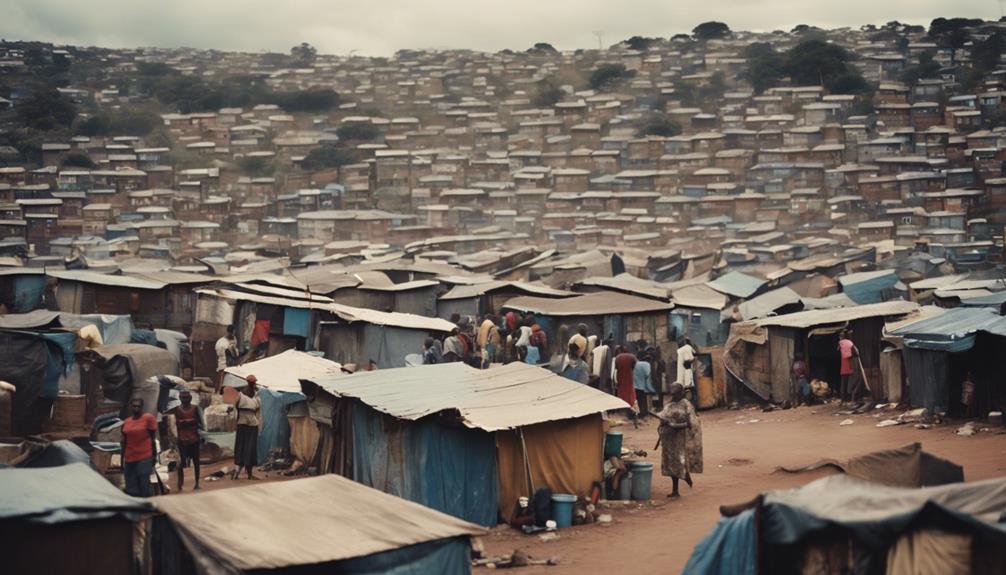
In addressing the urban development hurdles in South Africa, a critical focus lies on confronting the multifaceted challenges presented by informal settlements. Over 13% of the urban population in South Africa resides in informal settlements, which often lack basic services and infrastructure, leading to issues like overcrowding, poor sanitation, and inadequate housing conditions. Moreover, the absence of tenure security in these settlements exacerbates vulnerability and restricts access to essential resources for residents. Informal settlements are also hotspots for poverty, unemployment, and social disparities, highlighting the urgent need for comprehensive solutions. To address these challenges effectively, integrated strategies focusing on upgrading and formalising informal settlements are imperative. This approach should prioritise securing land tenure rights for residents, improving access to basic services such as water and sanitation, and enhancing housing conditions to create sustainable and inclusive urban environments.
| Challenges in Informal Settlements | Strategies for Improvement |
|---|---|
| Lack of basic services and infrastructure | Upgrade and formalise settlements to improve infrastructure |
| Tenure insecurity | Secure land tenure rights for residents |
| Overcrowding and poor sanitation | Enhance access to basic services like water and sanitation |
| High levels of poverty and unemployment | Implement strategies for socio-economic empowerment of residents |
To effectively tackle the obstacles within South Africa's urban development landscape, particularly in informal settlements, a comprehensive approach focusing on both upgrading and formalising these areas is crucial. Strategies aimed at securing land tenure rights for residents, along with improving access to basic amenities and enhancing living conditions, are vital for fostering sustainable and inclusive communities.
Conclusion
In conclusion, South Africa has some big problems when it comes to building better cities. First, not everyone has the same amount of money or chances in life, which is really unfair. Then, there are issues with things like roads and water not being good enough. Also, lots of people live in places that aren't officially recognised, making their lives very tough.
These problems need smart plans to help fix the bad stuff from the past and make sure everyone is included when planning for the future. By tackling these problems head-on, South Africa can create cities that are good for both people and the planet, mixing economic growth with taking care of nature.
If you're finding this stuff confusing or you need some help, you should definitely reach out to JB Property Group. They know what they're doing and can make things a lot clearer.