
In Cape Town, the quest for affordable housing is more than a challenge; it's a critical necessity for countless families striving to find a stable place to call home. The city's unique socio-economic landscape has made the pursuit of cost-effective living solutions a pivotal concern, driving innovation and creativity in the housing sector.
With the introduction of 10 groundbreaking strategies, from modular abodes to eco-friendly construction methods, there's a renewed sense of hope on the horizon for those affected by housing insecurities.
These innovations are not just about providing roofs over heads; they're about crafting sustainable, vibrant communities in areas that have long been overlooked. By harnessing the latest in green technology and adaptable building designs, Cape Town is setting a precedent for affordable housing that could inspire cities worldwide.
For residents and future generations, this marks a promising shift towards inclusivity, sustainability, and a better quality of life in one of South Africa's most bustling metropolises.
Key Takeaways
- Modular housing solutions for efficient and rapid construction.
- Sustainable materials usage to reduce waste and support the local economy.
- Mixed-income housing communities for economic diversity and inclusivity.
- Utilization of local materials for cost-effective and environmentally friendly projects.
Modular Housing Solutions
Modular housing solutions in Cape Town revolutionise traditional construction methods by integrating prefabricated components that can be swiftly assembled on-site, offering a versatile approach to addressing diverse housing requirements efficiently. These affordable housing solutions provide a cost-effective alternative to conventional construction, significantly reducing labour costs and construction time. By utilising modular units, developers can optimise resources and streamline the building process, making it an attractive option for meeting the demand for housing in a sustainable manner.
The innovative nature of modular housing solutions lies in their ability to adapt to different design preferences while maintaining structural integrity. This flexibility enables developers to create tailored housing options that cater to varying needs within the community. Furthermore, the sustainable aspect of modular construction aligns with environmental concerns by minimising waste and energy consumption throughout the building process. Overall, modular housing solutions in Cape Town offer a promising way to address affordable housing challenges through their efficient, sustainable, and innovative approach.
Green Building Technologies
Green building technologies in Cape Town prioritize sustainable materials, energy-efficient design strategies, and eco-friendly construction practices.
By incorporating these innovative approaches, buildings can significantly reduce their environmental impact and operational costs.
The implementation of such technologies aligns with the government's push for sustainable and affordable housing solutions in the region.
Sustainable Materials Used
In the realm of sustainable housing development in Cape Town, an emphasis is placed on utilising eco-friendly materials and advanced green building technologies to enhance environmental efficiency and compliance with sustainable building standards.
Key Sustainable Materials Used:
- Recycled Content: Incorporating materials with recycled content helps reduce waste and lower environmental impact.
- Locally Sourced Materials: Using materials sourced locally supports the regional economy, reduces transportation emissions, and promotes sustainability.
- Compliance with Building Codes: Adhering to building codes ensures that construction meets specific sustainability requirements, contributing to a more environmentally friendly built environment.
Energy-Efficient Design Strategies
The integration of energy-efficient design strategies, particularly focusing on optimising natural resources and technological advancements, plays a pivotal role in enhancing the sustainability and cost-effectiveness of housing innovations in Cape Town. Green building technologies in Cape Town prioritise energy-efficient design strategies like passive design techniques, such as orientation, insulation, and shading, to maximise natural light and ventilation within homes.
By implementing sustainable technologies such as solar panels, energy-efficient appliances, and smart building systems, energy efficiency is further enhanced. These green building practices not only aim to reduce operational costs for residents but also contribute to lowering the environmental impact of housing.
Embracing energy-efficient design strategies aligns with global sustainability goals and promotes an environmentally friendly approach to housing development.
Eco-Friendly Construction Practices
Implementing sustainable construction practices in Cape Town involves integrating eco-friendly technologies and strategies to enhance the environmental performance and efficiency of housing developments.
Key Elements:
- Sustainable Design Methods: Incorporating sustainable design principles such as passive solar heating, natural ventilation, and green roofs to reduce energy consumption.
- Innovative Building Technologies: Utilising innovative materials like recycled steel, bamboo, and low VOC paints to minimise environmental impact during construction.
- Water Conservation: Implementing rainwater harvesting systems, greywater recycling, and efficient plumbing fixtures to reduce water consumption and promote sustainable water management practices.
Micro-Unit Developments
How can micro-unit developments in Cape Town revolutionise affordable housing solutions in targeted areas like Beacon Valley and Delft?
Micro-unit developments are at the forefront of providing affordable housing solutions by focusing on the construction of rental units in specific areas. With subsidies covering a significant portion of development charges for bulk services, entrepreneurs and landowners are incentivised to build six to 12 rental units in informal settlements.
This initiative not only facilitates the creation of income-generating opportunities for lower-income families but also ensures compliance with building regulations. Moreover, the establishment of local planning support offices and streamlined approval processes further accelerates the construction of micro-unit rental developments.
Community Land Trust Initiatives
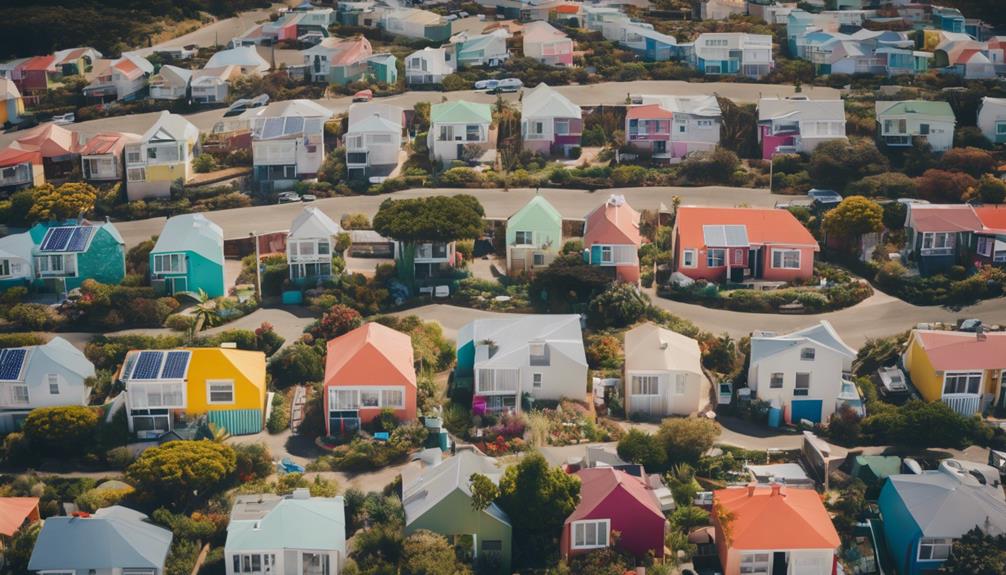
Community Land Trust initiatives in Cape Town present a solution to the challenge of affordable housing through innovative land ownership models. By holding land in trust for community use, these initiatives enable long-term affordability and community control over development.
Partnering with local entities, Community Land Trusts offer a sustainable approach to housing that fosters community involvement and empowerment.
Land Ownership Models
A growing trend in housing development approaches in Cape Town revolves around the implementation of innovative Land Ownership Models, specifically through Community Land Trust initiatives. Community Land Trust initiatives in Cape Town aim to address housing affordability, promote inclusive housing, and foster sustainable development.
The key characteristics of these initiatives include:
- Collective Ownership: Residents collectively own the land, ensuring long-term affordability and community control.
- Separation of Land and Housing Ownership: This model separates land ownership from housing ownership, providing residents with access to affordable housing while the trust retains ownership of the land.
- Community Empowerment: Residents have a significant role in decision-making processes, maintenance, and improvements, enhancing a sense of ownership and community empowerment.
These models have been successful globally in creating stable, affordable housing options for low to moderate-income individuals and families.
Affordable Housing Solutions
Innovative approaches to affordable housing solutions in Cape Town, particularly through Community Land Trust initiatives, have shown considerable promise in tackling housing affordability challenges and fostering sustainable development. Community Land Trust initiatives in Cape Town operate on the principle of community ownership of land, ensuring long-term affordability by separating land ownership from property ownership. This model effectively combats gentrification and displacement, maintaining stable housing costs for low-income residents.
Adaptive Reuse Projects
Utilising existing structures to create cost-effective housing solutions, adaptive reuse projects in Cape Town play a pivotal role in sustainable urban development. These initiatives not only address the pressing need for affordable housing but also contribute to the overall revitalisation of the city.
Here are three key aspects of adaptive reuse projects in Cape Town:
- Cost Efficiency: By repurposing existing buildings, adaptive reuse projects significantly reduce construction costs associated with new developments. This cost-effective approach allows for more affordable housing options to be created, catering to a wider range of residents in need.
- Environmental Impact: Transforming underutilised structures into functional living spaces helps to minimise the environmental impact typically associated with new construction. This sustainable practice aligns with efforts to promote eco-friendly urban development and reduce carbon footprints.
- Preservation of Heritage: Adaptive reuse projects not only provide affordable housing solutions but also preserve the historical and cultural heritage of Cape Town. By breathing new life into old buildings, these initiatives maintain the city's unique character while meeting the demands of a growing population.
Co-Housing Developments
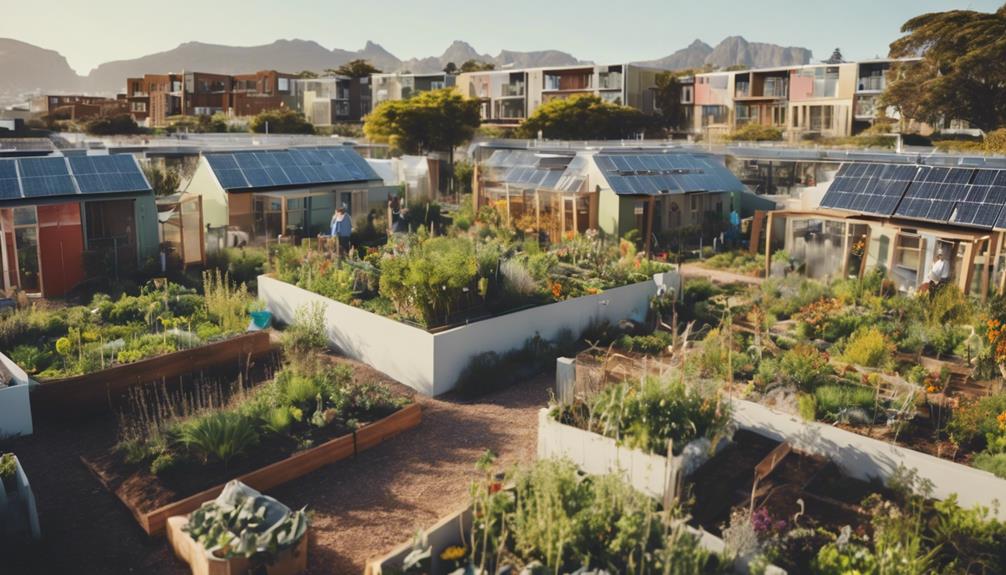
Co-housing developments in Cape Town foster a sense of community through shared living spaces and resources among residents, emphasising collaboration and mutual support. These innovative housing projects promote affordability by allowing residents to share expenses for utilities, maintenance, and amenities, thus reducing individual living costs. Residents in co-housing developments actively engage in community interaction, social cohesion, and decision-making processes, creating a supportive environment where shared activities and meals are common.
Moreover, the design of co-housing developments in Cape Town prioritises sustainable practices and efficient use of space and resources. By incorporating sustainable design principles such as passive heating and cooling, water conservation systems, and green spaces, these developments contribute to environmental preservation while offering a high quality of living for residents.
Affordable Prefabricated Structures
To address the demand for cost-effective housing solutions in Cape Town, the implementation of affordable prefabricated structures has emerged as a practical and efficient approach.
Prefabricated structures in Cape Town offer rapid construction times, with complete amenities installed within two days. These structures utilise a cavity wall system that ensures quality and flexibility in design. Customisable designs are adaptable to prefabricated kits, allowing for tailored solutions to meet various housing needs.
The use of prefabricated structures addresses adverse soil conditions and enhances structural stability. Maximum flexibility in modular house design is achieved, providing efficient and cost-effective housing solutions.
The modular design of these structures not only accelerates the construction process but also reduces construction waste, making them an environmentally friendly option. By leveraging prefabricated structures, Cape Town can swiftly and economically address the pressing need for affordable housing in the region.
Mixed-Income Housing Communities
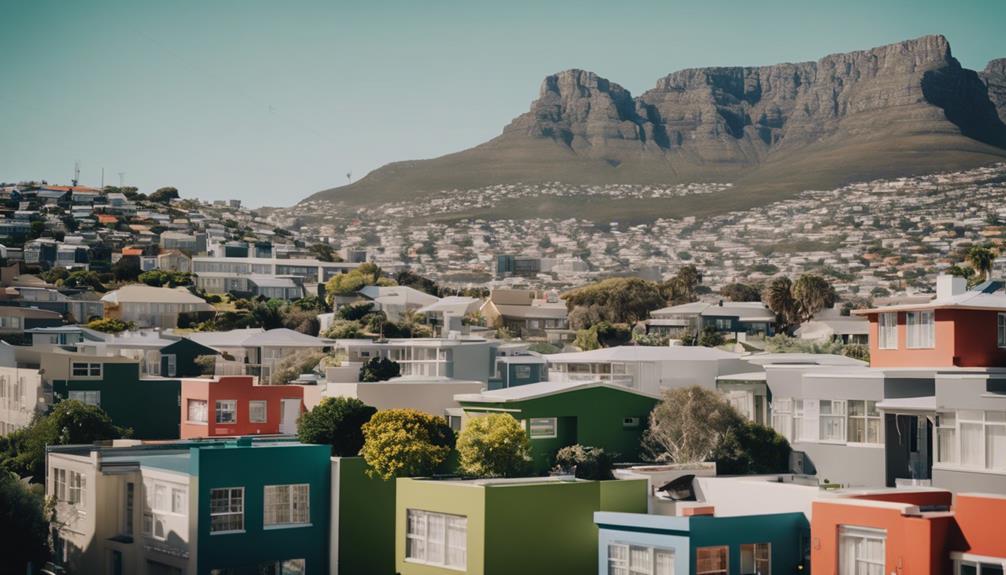
Mixed-income housing communities in Cape Town serve as catalysts for diverse income integration, fostering a sense of community cohesion and inclusivity. By bringing together individuals from various financial backgrounds, these neighborhoods create environments where social interactions transcend economic divides.
The benefits extend beyond housing, contributing to the development of sustainable and vibrant urban landscapes.
Diverse Income Integration
The integration of diverse income groups in housing communities in Cape Town fosters economic diversity and social cohesion, creating inclusive neighbourhoods that address segregation and promote equality.
Key Points:
- Promoting Economic Diversity: Mixed-income communities combine affordable housing options with market-rate units, providing housing opportunities for individuals from various income brackets.
- Enhancing Social Cohesion: By living in close proximity, residents of mixed-income communities have the chance to interact, share amenities, and build relationships, fostering a sense of community.
- Addressing Segregation and Inequality: These communities help break down barriers that result from economic disparities, promoting a more integrated and harmonious living environment for all residents.
The focus on diverse income integration in Cape Town contributes significantly to creating sustainable and inclusive urban spaces.
Community Cohesion Benefits
In examining the advantages of diverse income integration in housing communities, particularly in Cape Town, the benefits of community cohesion in mixed-income housing environments become evident. Mixed-income housing communities play a crucial role in promoting social integration and neighbourhood diversity.
Residents in these communities have increased access to resources and opportunities, leading to a sense of belonging and mutual support among individuals from various backgrounds. Studies indicate that such neighbourhoods can result in improved health outcomes and reduced crime rates.
Smart Home Integration
Enhancing cost-effective housing solutions in Cape Town, smart home integration offers a range of benefits including energy savings and improved resident comfort and safety.
Key Benefits of Smart Home Integration:
- Energy Efficiency: Smart home technology in affordable housing incorporates energy-efficient appliances and automated systems for lighting and climate control. These features help optimise energy usage based on occupancy and preferences, ultimately reducing utility costs for residents.
- Enhanced Comfort and Convenience: By integrating smart devices, low-cost housing units provide residents with increased convenience and comfort, elevating their overall quality of life. The automation of various home functions simplifies daily tasks and enhances the living experience.
- Safety and Security: Smart home systems allow for remote monitoring and control, promoting enhanced safety and security measures within affordable housing communities. Residents can remotely manage access, surveillance, and alarms, contributing to a more secure living environment.
Affordable housing with smart home features not only benefits residents directly but also aligns with sustainable practices by reducing energy consumption and environmental impact.
Sustainable Urban Infill Projects
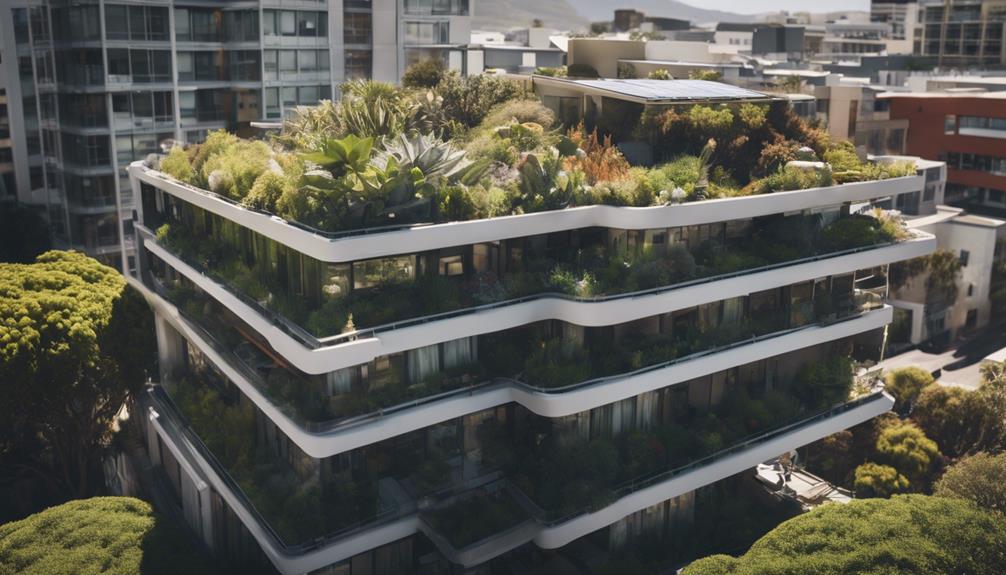
With a focus on sustainable urban development, Cape Town's infill projects exemplify innovative solutions for reducing resource consumption and enhancing community resilience. These projects integrate sustainable design techniques and innovative technologies to create affordable housing while achieving significant energy savings.
By reducing water usage by 55.17% and achieving energy savings of 21.06%, these initiatives demonstrate a commitment to environmental responsibility. The use of sustainable design methods, such as passive design and recycled materials, not only enhances affordability but also decreases the energy embodied in houses by 66.9%.
Furthermore, by employing local materials, these projects support the community economy and contribute to lowering the carbon footprint of the housing developments. The incorporation of these sustainable practices not only meets government housing standards but also sets a benchmark for future urban development projects.
Cape Town's sustainable urban infill projects showcase how strategic planning and implementation can lead to cost-effective housing solutions that prioritize both environmental sustainability and community well-being.
Conclusion
To wrap it up, these 10 smart ways of building houses in Cape Town are like a big win in the fight to make homes more affordable for people who don't have a lot of money. By giving a helping hand to small builders and using clever designs that don't harm our planet, the city isn't just making it easier for everyone to get a house. It's also helping communities that don't have much, grow and thrive. This cool move is changing the game in making sure everyone has a fair chance at getting a decent place to live, lighting up the path to a happier future for all the folks living there.
If you're looking for a bit of help or just want to learn more, don't forget to reach out to JB Property Group. They're there to give you a hand.
Remember, making homes more affordable and helping our planet at the same time is not just good; it's a brilliant step forward for everyone.