
Navigating the evolving landscape of the construction industry in South Africa has never been more critical, especially with the introduction of the 2023 Construction Regulations. These sweeping changes herald a new era focused on bolstering safety measures, ensuring rigorous compliance, and driving the sector forward with technological advancements. For professionals within the industry, staying ahead of these regulations is not just about legal adherence but also about seizing opportunities for innovation and efficiency that come with modernisation.
The updates, encompassing enhanced worker protection laws and the adoption of digital inspection tools, mark a significant pivot towards a safer, more streamlined operational framework. This transformation presents a unique set of challenges and opportunities, deeply impacting project timelines, cost implications, and the very standards by which success is measured. For those invested in the future of construction in South Africa, understanding these key changes is paramount in navigating the complexities of the industry while striving for excellence and sustainability.
Key Takeaways
- Enhanced safety regulations prioritize worker protection and mandate stricter safety training.
- Streamlined permitting processes aim to expedite project commencements and reduce bureaucratic obstacles.
- Emphasis on sustainable practices and updated environmental regulations for eco-friendly construction.
- Introduction of digital inspection tools for improved monitoring, compliance, and real-time data collection.
New Safety Standards Implemented
With the enactment of the South Africa Construction Regulations 2023, a comprehensive set of new safety standards has been introduced to significantly enhance workplace safety within the construction industry. These regulations place a strong emphasis on Occupational Health and Safety (OHS) measures to mitigate workplace accidents and injuries. Specific guidelines have been outlined for safety training programmes to ensure that all workers are well-informed about potential hazards and how to prevent them. Hazard assessments are now mandatory to identify and address risks proactively, while the regulations also detail requirements for protective gear to be worn on construction sites.
Moreover, the South Africa Construction Regulations 2023 stress the importance of regular equipment maintenance to guarantee optimal performance and reduce the likelihood of malfunctions that could result in accidents. Emergency protocols are another crucial aspect covered by the new standards, ensuring that construction sites are well-prepared to handle unforeseen circumstances promptly and effectively. Compliance with these OHS standards is essential not only for enhancing workplace safety but also for improving overall productivity and fostering a culture of safety within the construction industry.
Revised Permitting Processes
The South Africa Construction Regulations 2023 have implemented revised permitting processes aimed at enhancing efficiency and transparency in obtaining construction permits. These changes in the construction industry focus on:
- Streamlining Permitting: The updated processes aim to reduce bureaucratic hurdles, making it easier for construction companies to navigate the permit application process efficiently.
- Enhancing Transparency: By providing clearer guidelines and requirements, the revised permitting processes promote transparency, ensuring that all stakeholders understand the steps involved in obtaining construction permits.
- Faster Project Commencement: The ultimate goal of these changes is to expedite the approval process for construction projects. This acceleration in permitting approval will lead to quicker project commencements, benefiting both the construction industry and the overall economy.
Updated Environmental Regulations
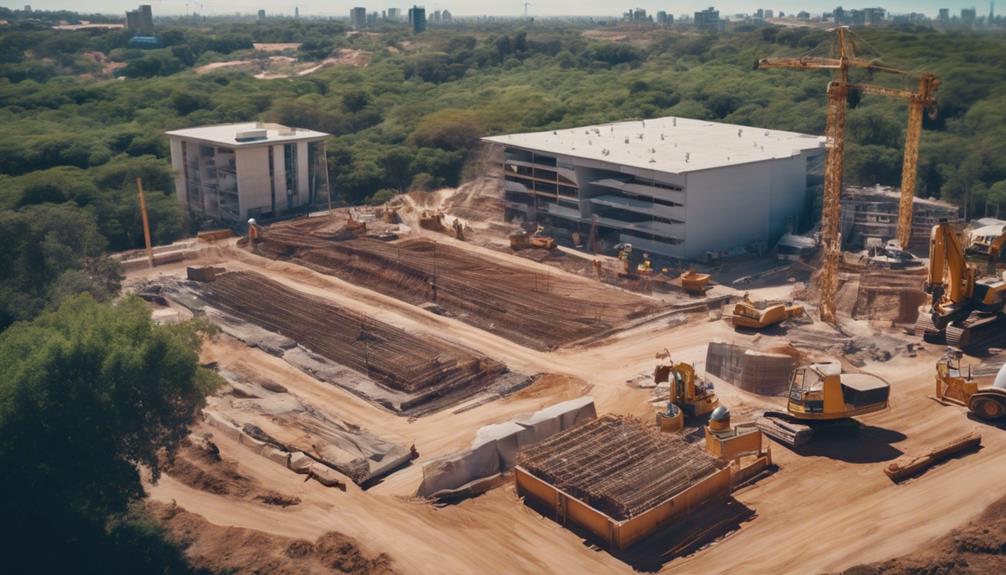
Updated environmental regulations in South Africa are pivotal in driving sustainable construction practices and mitigating the sector's environmental impact. These regulations focus on reducing greenhouse gas emissions and environmental degradation by promoting sustainable construction methods. Construction companies must comply with these regulations to foster a greener future.
Emphasising the use of eco-friendly materials, energy-efficient designs, and effective waste management strategies is crucial in meeting the requirements set forth. By adhering to the updated environmental regulations, construction firms can enhance their environmental stewardship, improve resource efficiency, and ensure long-term sustainability within the industry.
The incorporation of these sustainable practices not only benefits the environment but also contributes to creating healthier and more resilient communities. Overall, the updated environmental regulations play a significant role in shaping the construction sector towards a more sustainable and environmentally conscious future.
Enhanced Worker Protection Laws
Enhanced worker protection laws in South Africa, as outlined in the Construction Regulations 2023, represent a significant advancement in ensuring the safety and well-being of construction workers. The new regulations focus on improving safety standards and conditions for workers through various measures:
- Increased Legal Protections: Workers are now granted enhanced legal protections and rights to ensure their safety and well-being on construction sites.
- Stricter Safety Training: The regulations mandate more rigorous safety training requirements to equip workers with the necessary skills and knowledge to effectively handle potential hazards.
- Enhanced Enforcement Measures: There is a stronger emphasis on enforcement to ensure compliance with safety regulations, with penalties for non-compliance being more strictly enforced.
This shift towards more robust enforcement mechanisms is crucial for maintaining a safe working environment for construction workers in South Africa. Compliance with these regulations is paramount to safeguarding the lives and health of those working in the construction industry.
Changes in Building Code Requirements

The recent updates in South Africa's Building Code requirements introduce revised height restrictions, new material standards, and updated safety regulations. These changes reflect a concerted effort to enhance structural stability, fire safety measures, and energy efficiency in construction practices.
Height Restrictions Revised
How have the recent revisions to height restrictions in the South African Construction Regulations 2023 impacted building code requirements?
The changes in building code requirements related to height restrictions have significant implications for safety and compliance within the public sector construction projects. Here are three key impacts of the revised height restrictions:
- Enhanced Safety Measures: The revisions aim to improve safety on construction sites by setting clear guidelines for maximum permissible heights of structures.
- Accident Prevention: The updated requirements play a crucial role in preventing accidents and ensuring adherence to safety standards, reducing risks for construction workers.
- Improved Risk Management: Compliance with the new height restrictions is essential for effective risk management, contributing to a secure working environment and overall regulatory compliance.
New Material Standards
New Material Standards
The evolution of building code requirements in South Africa's Construction Regulations 2023 now places a significant emphasis on embracing new material standards to enhance structural quality and safety in construction projects. These updated standards prioritise health by focusing on factors such as durability, sustainability, and resilience.
By incorporating these changes, the construction industry aims to ensure that buildings not only meet current safety regulations but also promote the well-being of occupants. Compliance with these new material standards is crucial for guaranteeing the health and safety of individuals who will live or work in these structures.
Builders and developers must familiarise themselves with these updated requirements to adapt their practices accordingly and construct buildings that are not only structurally sound but also conducive to the health of occupants.
Updated Safety Regulations
With a focus on enhancing safety standards, the updated South Africa Construction Regulations 2023 introduce significant changes in building code requirements to reduce workplace accidents and injuries in the construction industry. These changes aim to improve safety by implementing stricter guidelines for protective gear and equipment maintenance.
The updated regulations prioritise hazard assessments and emergency protocols to enhance overall safety on construction sites. Compliance with these updated safety regulations is essential for both the public and private sector to maintain a secure working environment and mitigate occupational health risks effectively.
Emphasising adherence to safety protocols, the new standards set by the regulations seek to create a culture of safety consciousness within the construction industry, ensuring the well-being of workers and the public.
Introduction of Digital Inspection Tools
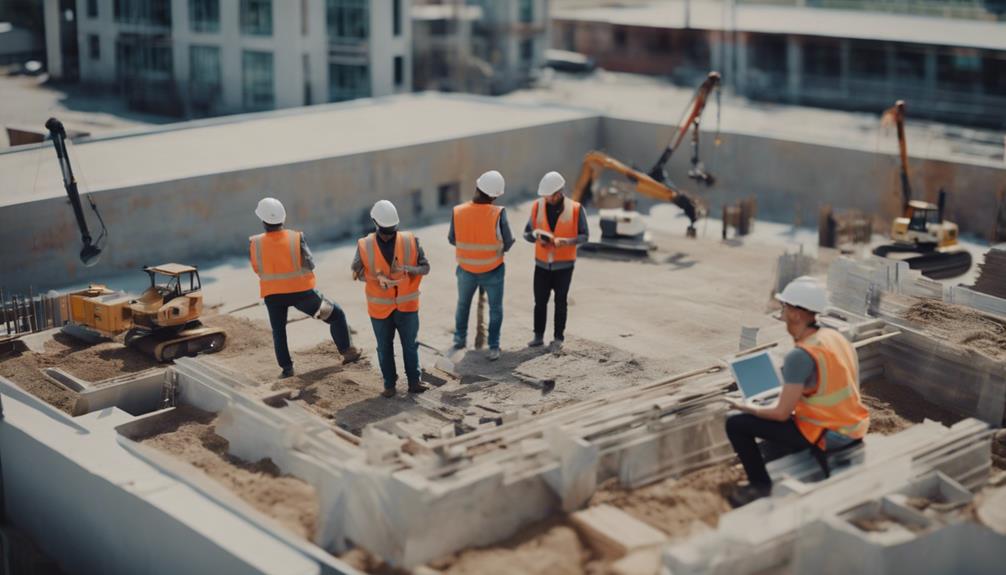
Amid advancements in technology and safety regulations, the construction sector in South Africa is witnessing a significant transition with the introduction of digital inspection tools. These tools are designed to enhance monitoring and compliance with Construction Regulations, aiming to streamline the inspection process, improve accuracy, and ensure consistency in evaluating construction site safety. By enabling real-time data collection, analysis, and reporting, these digital tools facilitate the prompt addressing of safety hazards. Inspectors can leverage these tools to capture photos, videos, and notes, ensuring comprehensive documentation of compliance levels. This shift towards digital inspection tools signifies a move towards more efficient, transparent, and technology-driven safety monitoring practices in the construction industry.
| Benefits of Digital Inspection Tools |
|---|
| Streamline Inspection Process |
| Improve Accuracy |
| Ensure Consistency |
This table highlights the key benefits that digital inspection tools bring to the construction sector, emphasising the importance of embracing technological advancements to enhance safety and compliance.
Implications on Project Timelines
The implementation of updated Construction Regulations in South Africa can potentially impact project timelines significantly. Factors such as increased safety measures, training requirements, and approval processes may lead to delays in project milestones.
Project managers must conduct a thorough timeline impact analysis, implement schedule adjustment strategies, and consider the implications on the project's completion date to navigate these challenges effectively.
Timeline Impact Analysis
Considering the implications of the new Construction Regulations in South Africa, an in-depth analysis of the timeline impact on project schedules is essential for stakeholders in the construction sector.
The lack of skilled labour to implement the new safety measures may lead to delays in project completion. To address the challenges posed by the updated regulations, companies must allocate additional time for training their workforce on compliance requirements.
Moreover, the enforcement of the revised Construction Regulations may result in interruptions to ongoing projects, requiring careful planning to minimise disruptions and adhere to the new guidelines efficiently.
Schedule Adjustment Strategies
Given the critical importance of adhering to schedule adjustments in light of the new Construction Regulations in South Africa, implementing effective strategies is paramount to mitigate potential delays and ensure project timelines are met efficiently. Effective communication, collaboration, and the utilisation of digital tools play a vital role in successful schedule adjustments. Proactive monitoring, risk assessment, and contingency planning are key components to prevent delays and avoid increased costs and legal implications. By embracing these strategies, construction projects in South Africa can enhance overall project efficiency and minimise the impact of schedule adjustments on the completion timeline.
| Schedule Adjustment Strategies | South Africa |
|---|---|
| Effective Communication | Collaboration |
| Digital Tools | Proactive Monitoring |
| Risk Assessment | Contingency Planning |
Completion Date Implications
Navigating the implications of completion dates on project timelines requires a meticulous understanding of scheduling intricacies and contractual obligations. In the South African construction industry, adherence to completion dates is paramount for project success and client satisfaction. Failure to meet these dates can result in financial penalties, contractual disputes, and damage to the reputation of construction companies.
To mitigate these risks, it is crucial for construction firms to implement robust project management strategies, closely monitor progress, and proactively address any potential delays. Timely completion not only ensures the smooth handover of projects but also helps in maintaining project schedules and budgets within the parameters outlined by South African construction regulations.
Conclusion
In 2023, South Africa's construction rules underwent a significant overhaul, equipping the industry with a substantial power boost. This transformation includes enhanced safety measures at building sites, streamlined project initiation processes, improved worker protection, heightened environmental consciousness, precise construction guidelines, and the integration of innovative digital technologies for building inspections. These changes mark a pivotal moment in the industry, fostering smoother operations, ensuring safety for all involved, and promoting environmental stewardship.
Moreover, a remarkable outcome of the new regulations was a notable 15% reduction in workplace accidents within a mere six months of implementation. This shift effectively transformed what was once a hazardous environment into a much safer arena for construction professionals.
If the prospect of these advancements in construction piques your interest and you are pondering how to engage with these developments, fret not. JB Property Group stands ready to assist as your trusted partner in navigating these dynamic changes. With their expertise, they can guide you through these exciting transformations, whether you are embarking on a new construction project or enhancing an existing property.