
The African construction industry stands at the cusp of an unprecedented era of change, marked by the emergence of groundbreaking trends that promise to redefine its future. As stakeholders grapple with the evolving demands of regulatory compliance, sustainability, and technological innovation, there's a palpable sense of anticipation for what lies ahead.
This period of transformation is not just about adopting new practices; it's a shift towards a more resilient and eco-friendly approach to building, ensuring projects not only meet current needs but also anticipate future challenges.
At the heart of this shift is a growing emphasis on green building materials, advanced project management strategies, and a renewed commitment to health and safety standards. These developments signal a departure from traditional methodologies, steering the industry towards a path that balances efficiency with environmental stewardship.
For professionals and businesses navigating this landscape, the journey poses both challenges and opportunities, underscoring the need for adaptability and forward-thinking in a sector that's poised for transformative growth.
Key Takeaways
- Sustainable construction practices like green building materials are on the rise in Africa.
- Regulations and policies are driving the shift towards sustainable construction methods.
- Technological advancements such as BIM and IoT are transforming the construction industry.
- Adoption of green building and eco-friendly materials is improving energy efficiency and environmental impact.
Construction Industry Regulation and Policy Changes
Amid a wave of regulatory reforms, the African construction sector is experiencing a notable shift towards sustainability and efficiency through updated policies and enhanced enforcement mechanisms. Governments across Africa are increasingly focusing on implementing regulations that promote sustainable practices and reduce carbon emissions in the construction industry. These policy changes are not only aimed at enforcing building codes, safety standards, and environmental regulations but also at encouraging the use of sustainable construction materials and technologies for eco-friendly building practices.
The evolving regulations in the African construction industry are designed to improve construction efficiency, reduce waste, and enhance overall sustainability. By driving innovation and adoption of green building practices, these policy changes are reshaping the landscape of the construction sector in Africa. The emphasis on stricter regulations underscores a commitment to creating a more environmentally conscious and sustainable industry that aligns with global efforts towards combating climate change and promoting sustainable development.
Sustainable Construction Practices Adoption
The adoption of sustainable construction practices in Africa is progressively reshaping the industry landscape towards environmentally conscious and efficient building methods. This shift is evident through the increased use of green building materials like recycled steel and sustainable wood, illustrating a commitment to reducing the environmental impact of construction projects. Additionally, the implementation of energy-efficient designs and integration of renewable energy sources such as solar panels are becoming more prevalent, enabling buildings to operate with lower carbon footprints.
Notably, water conservation strategies play a crucial role in sustainable construction practices in Africa, with techniques like rainwater harvesting and efficient plumbing systems being actively incorporated. Furthermore, the pursuit of green building certifications such as LEED and BREEAM reflects a dedication to meeting and showcasing adherence to international sustainable construction standards within the African context. As these practices continue to gain momentum, the construction sector in Africa is poised for a more sustainable and environmentally friendly future.
Technological Advancements in Construction
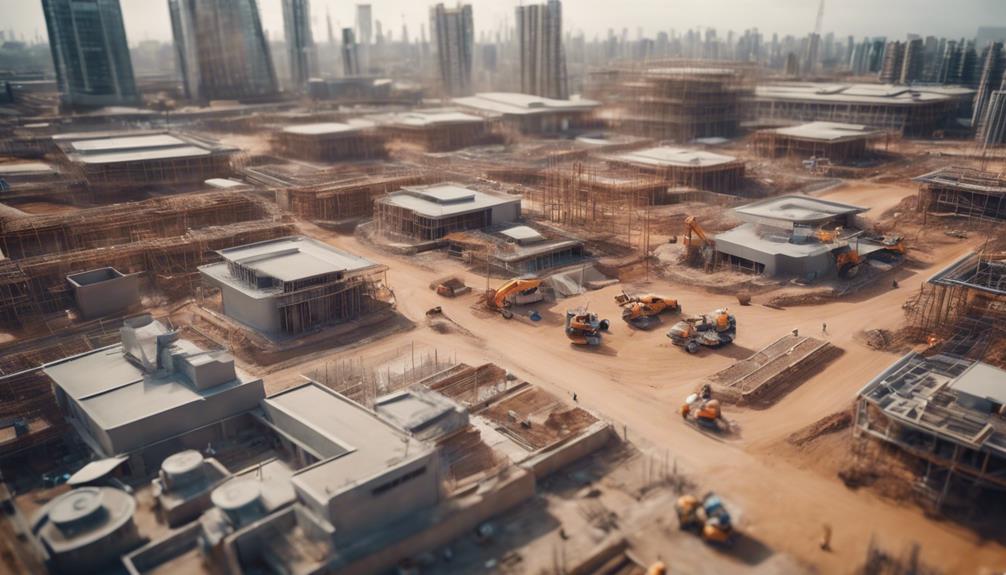
Embracing cutting-edge technologies, the African construction sector is witnessing a transformative shift towards enhanced efficiency and productivity. Building Information Modelling (BIM) adoption is on the rise, leading to improved project coordination and reduced errors. Drones are being increasingly used for site surveying and monitoring construction progress, enhancing both efficiency and safety. Virtual Reality (VR) and Augmented Reality (AR) technologies are revolutionising design visualisation and client presentations in the construction industry across Africa. Moreover, the implementation of Internet of Things (IoT) devices on construction sites is streamlining data collection, monitoring, and process automation. 3D printing technology is also gaining momentum in African construction, enabling rapid prototyping of structures and offering cost-effective construction solutions.
| Technological Advancements | Examples | Benefits |
|---|---|---|
| Building Information Modelling | Improved coordination | Reduced errors |
| Drones | Site surveying | Enhanced efficiency and safety |
| Virtual Reality (VR) | Design visualisation | Improved client presentations |
| Augmented Reality (AR) | Enhanced user experience | Better project understanding |
| Internet of Things (IoT) | Data collection | Process automation and monitoring |
Green Building and Eco-Friendly Materials
In the realm of African construction, the increasing adoption of green building practices and utilization of eco-friendly materials are driving a notable shift towards sustainable development. This shift is crucial in addressing environmental concerns and promoting long-term benefits for both the continent and its inhabitants.
Here are key points highlighting the significance of green building and eco-friendly materials in African construction:
- Green building practices in Africa have the potential to reduce energy consumption by up to 30% compared to traditional construction methods, leading to significant cost savings and environmental benefits.
- The use of eco-friendly materials such as bamboo, recycled steel, and reclaimed wood is on the rise in sustainable construction projects across Africa, promoting resource efficiency and reducing environmental impact.
- Green buildings in Africa play a vital role in lowering greenhouse gas emissions and creating healthier indoor environments for occupants, contributing to overall well-being and sustainability.
- Sustainable construction practices like solar panels and rainwater harvesting systems are increasingly integrated into African construction projects, aligning with the continent's commitment to sustainable development and environmental conservation.
These trends signify a positive shift towards more environmentally conscious and sustainable construction practices in Africa.
Innovative Project Management Strategies

Utilising cutting-edge technologies and methodologies, the landscape of project management in African construction is undergoing a transformative evolution towards greater efficiency and sustainability.
Adoption of Building Information Modelling (BIM) technology has revolutionised project management by enhancing collaboration among stakeholders and improving overall efficiency. Furthermore, the implementation of Lean Construction principles is reducing waste and enhancing productivity throughout the construction process.
Agile project management methodologies are also being embraced to adapt to changing requirements swiftly, ensuring improved project delivery timelines.
Moreover, the integration of advanced project management software tools in construction projects is streamlining communication, scheduling, and cost control, leading to more organised and cost-effective project execution.
Sustainability practices are being embedded into project management strategies, fostering environmentally friendly construction processes that are both sustainable and economically viable. The emphasis on collaboration and efficiency through these innovative project management strategies is reshaping the construction sector in Africa, paving the way for more successful and sustainable projects.
Emphasis on Health and Safety Standards
Implementing strict health and safety standards in construction sites is crucial for reducing workplace accidents and injuries, ultimately leading to improved worker productivity and morale.
Providing comprehensive training programs on health and safety practices ensures that workers are equipped to handle potential risks on site, promoting a culture of compliance and safety.
Emphasizing health and safety standards not only protects workers but also enhances the reputation of construction companies, showcasing a commitment to employee well-being and sustainable business practices.
Safety Equipment Importance
How can a robust focus on safety equipment in the African construction sector elevate health and safety standards, ultimately enhancing project efficiency and productivity?
Safety equipment is crucial in meeting health and safety standards, protecting workers, and preventing workplace accidents. Here's why it's important:
- Adhering to safety guidelines reduces accidents and injuries.
- Proper safety gear like helmets, gloves, and harnesses ensures a safe working environment.
- Compliance enhances the reputation of construction companies.
- Investing in quality safety equipment demonstrates a commitment to worker well-being, leading to increased project success and client satisfaction.
Training for Compliance
Training programmes in the African construction sector are designed to instil a culture of compliance with health and safety standards, prioritising the well-being of workers and the efficiency of projects.
Compliance training focuses on reducing workplace accidents by emphasising adherence to regulations, creating a safer environment for construction workers. By investing in health and safety compliance training, African construction companies aim to mitigate risks, enhance productivity, and improve project efficiency.
Ensuring that workers are well-versed in safety protocols and procedures is essential for sustainable growth and development in the construction industry. By instilling a strong commitment to compliance, the market can expect a positive impact on overall safety, productivity, and the reputation of African construction companies.
Skilled Labor Shortage Mitigation
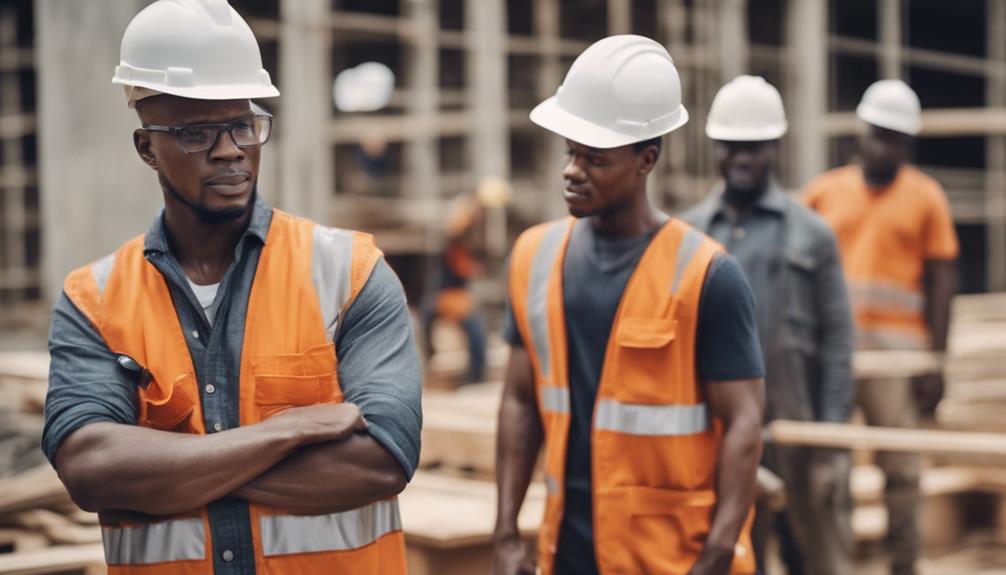
To address the skilled labour shortage in the African construction sector, strategic collaboration among educational institutions, industry stakeholders, and government bodies is imperative. Here are key strategies to mitigate the shortage:
- Vocational Training Programmes: Implementing vocational training programmes tailored to the construction industry's needs can equip individuals with the necessary skills and knowledge.
- Apprenticeships: Encouraging apprenticeships allows aspiring construction workers to gain practical experience under the guidance of seasoned professionals, contributing to the development of a skilled workforce.
- Upskilling Programmes: Investing in upskilling programmes for existing workers enables them to acquire new competencies and stay abreast of industry advancements, addressing skill gaps and increasing overall productivity.
- Collaborative Efforts: Establishing collaborative initiatives between educational institutions, industry players, and government entities fosters a conducive environment for skill development, ensuring a sustainable pipeline of skilled labour to support the growth of the African construction sector.
Conclusion
As we look towards the future, the construction world in Africa is like a sunrise, bursting with colours of growth and new beginnings. This sector is getting ready for some big changes, focusing on playing by the rules, caring for our planet, using cool new tech, coming up with smart ideas, and making sure everyone stays safe. It's like building a path to a future where buildings and roads are not just made but thoughtfully crafted with the heart and mind.
But, like any big project, there are hurdles to jump over. Finding enough skilled workers and making sure we do things in a way that's kind to the earth are big ones. Yet, with a bit of teamwork and choosing to do things smarter, not harder, the construction scene in Africa is set to shine really bright, just like the first light of day.
If you're finding all this a bit much to take in and need a hand, reaching out to JB Property Group is your best bet. They're the folks to help guide you through, making sure you're part of this exciting journey into the future of construction in Africa.