
Navigating the terrain of accessible housing in South Africa is akin to embarking on a complex journey, laden with hurdles that can seem insurmountable. From the daunting economic pressures that push up the costs of construction to the tangled web of regulations that can hinder the viability of projects, individuals seeking inclusive and affordable living spaces face a myriad of challenges. These obstacles are further compounded by societal attitudes and the limitations of existing infrastructure, highlighting the critical need for innovative solutions.
Understanding the landscape of accessible housing requires delving into the nuances of each barrier, from financial constraints to policy intricacies. For those directly affected, as well as for advocates and policymakers, the quest for accessible housing is not only about bricks and mortar but also about building communities that embrace diversity and inclusivity. The journey towards achieving accessible housing solutions in South Africa demands not just attention but action, guided by a deep understanding of the unique needs and aspirations of its people.
Key Takeaways
- Regulatory barriers obstruct inclusive housing development in South Africa.
- High costs of modifications limit accessible housing options.
- Lack of clear building regulations hampers accessibility features implementation.
- Social stigma and discriminatory practices impede progress in inclusive housing initiatives.
Economic Challenges in Affordable Housing
Economic challenges in the realm of affordable housing projects in South Africa present formidable obstacles, characterised by escalating construction costs and exorbitant interest rates, impeding the realisation of accessible housing solutions for many individuals. The housing crisis is exacerbated by the struggle to meet Building Standards while keeping housing affordable. Developers face a daunting task as they navigate the economic and social intricacies of providing accessible housing amidst rising construction expenses. The delicate balance between cost-effectiveness and affordability remains a central concern in addressing the housing shortage in the country.
To tackle these economic challenges, a multi-faceted approach is necessary. This could involve exploring innovative construction techniques to reduce costs, incentivising investment in affordable housing projects, and establishing partnerships between the public and private sectors to secure funding. Additionally, promoting sustainable practices in construction and adopting cost-effective materials could help mitigate the financial burden on developers while ensuring that housing projects meet the required standards of quality and affordability. By addressing these economic obstacles strategically, South Africa can make significant strides in overcoming the barriers to accessible housing.
Regulatory Barriers to Accessibility
The lack of comprehensive regulations mandating accessibility features in new buildings in South Africa poses significant challenges for individuals with disabilities. Issues such as building code compliance, permitting process challenges, and the high cost of modifications further exacerbate the situation.
Addressing these regulatory barriers is essential to ensure that accessible housing becomes more readily available and inclusive for all individuals.
Building Code Compliance
Despite the absence of mandatory accessibility standards in building codes, South Africa faces significant regulatory barriers hindering the implementation of accessible housing solutions. Non-compliance with accessibility regulations not only impedes the creation of inclusive housing for persons with disabilities but also limits the availability of accessible housing options due to the lack of building code provisions for accessibility features.
Developers striving to construct universally accessible housing encounter regulatory hurdles related to building code compliance, which pose challenges in meeting the needs of all individuals. Addressing these building code compliance gaps is crucial for overcoming barriers to accessible housing development in South Africa. Enhancing the regulatory framework to incorporate accessibility requirements within building codes is essential to ensure that future housing developments cater to the diverse needs of the population.
Permitting Process Challenges
Permitting Process Challenges
Regulatory hurdles within the permitting process significantly impede the integration of universal design features in accessible housing projects in South Africa. The challenges include:
- Lack of clarity in building regulations related to accessibility standards.
- Regulatory delays that impact the timely completion of accessible housing projects.
- Strict requirements for accessibility features that may hinder developers from incorporating universal design principles effectively.
Addressing these regulatory barriers through clearer guidelines, streamlined approval processes, and providing support for developers to navigate accessibility standards can facilitate the successful implementation of accessible housing projects.
Streamlining the permitting process is vital to ensure that accessible housing meets the needs of individuals with disabilities in South Africa.
Cost of Modifications
Facing the financial burden of retrofitting existing homes with accessible features proves to be a significant obstacle in enhancing housing accessibility for individuals with disabilities in South Africa. The cost of modifications often surpasses that of integrating accessibility features in new constructions, creating a substantial financial barrier for many. Regulatory hurdles in South Africa further complicate the process, potentially impeding the implementation of necessary accessibility modifications. This financial strain limits the availability of suitable housing options for persons with disabilities, highlighting the urgent need to address these challenges. Overcoming the high costs associated with making homes accessible is vital to expanding housing opportunities for individuals with disabilities in South Africa.
| Challenges | Impact | Solutions |
|---|---|---|
| High retrofitting costs | Financial barrier for individuals | Government subsidies & tax incentives |
| Regulatory barriers | Hinders accessibility modifications | Streamlining approval processes |
| Limited housing options | Restricted choices for persons with disabilities | Public-private partnerships for affordable housing |
Social Stigma and Inclusivity Issues
The prevalence of social stigma surrounding disabilities in South Africa presents a significant barrier to the promotion and implementation of inclusive housing practices. This stigma perpetuates discrimination and misconceptions, hindering the progress towards accessible housing for individuals with disabilities. Lack of awareness about inclusivity issues further exacerbates the challenges faced in the housing sector, leading to the exclusion of those who require accessible accommodations. Overcoming social stigma and fostering inclusivity is essential to combat these issues and advance accessible housing solutions in South Africa.
- Community Resistance: Misconceptions and biases within communities often lead to resistance against inclusive housing initiatives, making it difficult to implement necessary changes.
- Limited Understanding: A lack of understanding regarding the needs of individuals with disabilities contributes to the exclusion of accessible housing options, highlighting the importance of education and awareness.
- Discrimination: Discriminatory practices against individuals with disabilities persist in the housing sector, emphasising the urgent need to address and eliminate such biases for a more inclusive society.
Infrastructure Limitations for Accessible Housing
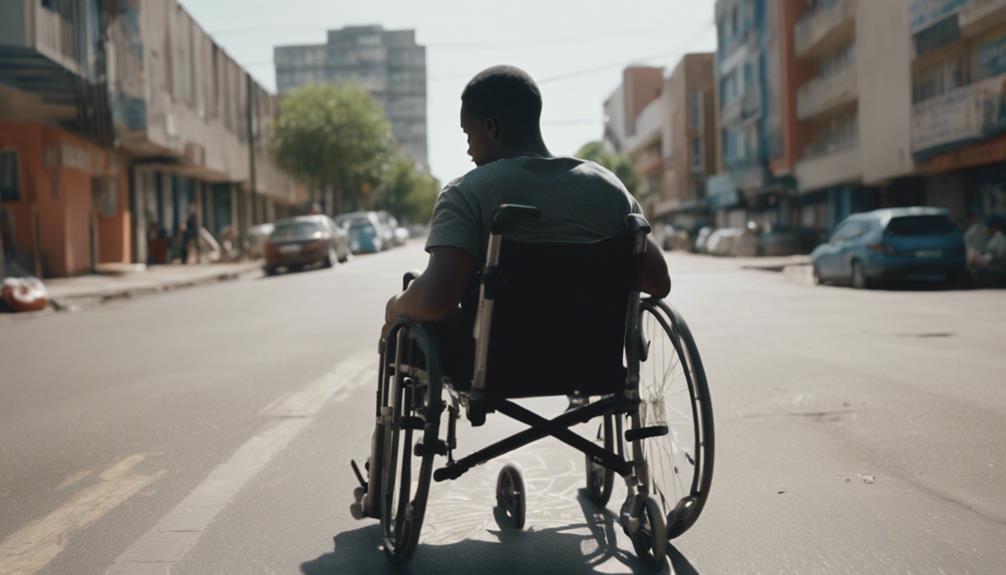
What are the key infrastructural obstacles impeding the development of accessible housing in South Africa? The lack of adequate infrastructure and standards, limited availability of accessible housing options, challenges in retrofitting existing buildings, absence of universal design principles, and inconsistent enforcement of accessibility standards all contribute to the difficulties faced in this area. When it comes to new buildings, incorporating universal design principles from the outset can significantly enhance accessibility. Retrofitting existing structures to meet accessibility requirements poses challenges due to the cost and complexity involved. Without a strong emphasis on universal design principles, the construction of accessible housing will continue to lag behind. Furthermore, enforcing accessibility standards consistently in all housing developments is crucial to ensure that the needs of all individuals, including those with disabilities, are met. By addressing these infrastructural limitations and promoting universal design principles, the development of accessible housing in South Africa can be greatly improved.
| Key Infrastructural Obstacles | ||
|---|---|---|
| Lack of Adequate Standards | Limited Housing Options | Retrofitting Challenges |
| Absence of Universal Design | Inconsistent Enforcement |
Lack of Funding and Investment Support
The insufficiency of funding and investment support presents a formidable barrier to advancing the development of accessible housing initiatives in South Africa. This lack of financial resources impedes progress in implementing universal design principles in housing construction, ultimately limiting the availability of suitable accommodation for individuals with disabilities. The shortage of accessible housing is further exacerbated by the inadequate investment in retrofitting existing housing stock to make it inclusive for all individuals, regardless of their physical abilities.
Housing Policy: The government needs to develop and implement supportive housing policies that incentivise the construction of accessible housing and encourage private developers to invest in such projects.
Affordable Rental: Promoting affordable rental options for accessible housing can help address the financial barriers faced by individuals with disabilities in accessing suitable accommodation.
Private Developers: Encouraging private developers to prioritise accessibility in their projects through tax incentives or grants can stimulate investment in inclusive housing solutions and expand the availability of accessible homes in South Africa.
Technology and Innovation Solutions for Accessibility

Integrating advanced technological solutions and innovative approaches is key to enhancing accessibility in housing for individuals with disabilities. Smart home devices and mobile apps offer practical methods to improve accessibility, enabling individuals to control various aspects of their living environment with ease. Voice-activated controls and remote monitoring systems further boost independence and safety within accessible housing, providing a seamless user experience.
Virtual reality and augmented reality tools play a pivotal role in designing and visualising accessible features in housing projects, allowing architects and designers to effectively create barrier-free spaces. Wearable technology and sensor-based systems deliver personalised accessibility solutions tailored to the diverse needs of individuals with disabilities, promoting a more inclusive living environment.
Collaborations between tech companies, designers, and disability advocates are instrumental in driving the development of cutting-edge accessibility solutions, ensuring that housing becomes more inclusive and accommodating for all.
Conclusion
In the end, the challenges that make it hard for everyone in South Africa to have a home they can easily use and afford are like a big, complicated puzzle. These include money troubles, rules that don't help, people not understanding each other, buildings that aren't set up right, and not having enough cash to fix these problems.
Solving this puzzle needs everyone to work together, come up with smart plans, change some rules, and find new ways to pay for these changes. A surprising fact is that only 31% of families in South Africa can get their hands on homes that are easy on the wallet, showing just how much we need to step up and make things better for everyone who needs a place to call home.
If you're finding all this talk about homes a bit tricky and you need a hand, reaching out to JB Property Group could be a smart move. They know the ins and outs of getting you into a home that's just right.