
In South Africa, the quest for sustainable living has taken a remarkable turn, with eco-friendly homes leading the charge towards a greener future. As concerns over climate change and environmental degradation intensify, the demand for housing solutions that minimise ecological impact while supporting a high quality of life has never been more pressing. These pioneering eco-homes, with their innovative use of recycled materials and commitment to energy efficiency, stand as beacons of hope, demonstrating that sustainable living can be both luxurious and culturally resonant.
These residences are not just structures; they are a testament to the possibility of living in harmony with our surroundings. By embracing local traditions and materials, they offer a unique solution to the environmental challenges we face, making a significant contribution to the reduction of carbon footprints. Moreover, they serve as a source of inspiration for those looking to make a difference, proving that sustainability and style can go hand in hand. Dive into the world of South Africa's top eco-friendly homes, where the future of sustainable architecture is being written today.
Key Takeaways
- Innovative construction techniques like sandbag houses and repurposed shipping containers.
- Emphasis on energy efficiency with solar panels and natural light integration.
- Sustainable water management through rainwater harvesting and greywater recycling.
- Integration of eco-friendly features with a focus on nature-inspired design.
Sandbag Houses, Cape Town
Incorporating sandbags as a foundational element, the Sandbag Houses in Cape Town, designed by MMA Architects, epitomise a pioneering approach to sustainable and cost-effective housing solutions. These eco-friendly homes stand out for their innovative use of sandbags instead of traditional bricks, showcasing a commitment to sustainable building practices. By utilising locally sourced materials and promoting sustainable architecture, the Sandbag Houses contribute to a green environment while providing sturdy and safe living spaces for residents in Cape Town.
Designed to withstand various weather challenges, these homes exemplify a blend of sustainability and efficiency in construction. The emphasis on eco-friendly design not only reduces the environmental impact but also sets a new standard for green housing in South Africa. Through their eco-conscious approach and utilisation of sandbags, the Sandbag Houses represent a significant advancement in sustainable living practices, offering a model for future developments in the region.
Vissershok School, Durbanville
Vissershok School in Durbanville exemplifies sustainable design features and the use of green building materials.
The school's innovative construction from recycled shipping containers showcases a commitment to eco-friendly practices.
Through its design, Vissershok School sets a standard for efficient and environmentally conscious educational spaces.
Sustainable Design Features
With a focus on sustainable design features, the Vissershok School in Durbanville, South Africa showcases a pioneering approach to eco-friendly architecture through the innovative use of recycled shipping containers. The school's commitment to eco-friendly practices and waste reduction is evident in its design, which incorporates sustainable materials to create a unique and environmentally conscious learning environment.
Here are four key aspects that highlight the school's innovative architectural choices:
- Repurposed Shipping Containers: The school creatively repurposes shipping containers, showcasing a sustainable way to construct buildings.
- Cost-Effective Solutions: By using recycled containers, Vissershok School demonstrates a cost-effective approach to construction.
- Environmental Consciousness: The school's design reflects a deep commitment to environmentally conscious building practices.
- Educational Inspiration: Vissershok School sets an example for future green building projects in educational institutions.
Green Building Materials
Utilising repurposed shipping containers as foundational elements, the architecture of Vissershok School in Durbanville exemplifies a cutting-edge approach to incorporating green building materials in sustainable construction practices.
By using recycled shipping containers, the school not only promotes eco-friendly practices but also demonstrates a cost-effective design that minimises environmental impact. The repurposed containers serve as classrooms, showcasing innovative and sustainable construction methods that inspire functional and inspiring learning spaces.
Vissershok School's use of green building materials highlights a commitment to sustainable construction and the importance of repurposing materials to create a positive environmental impact. Through its eco-conscious design principles, Vissershok School in Durbanville stands as a prime example of how repurposing materials can lead to efficient and environmentally friendly construction practices.
Floating School, Makoko
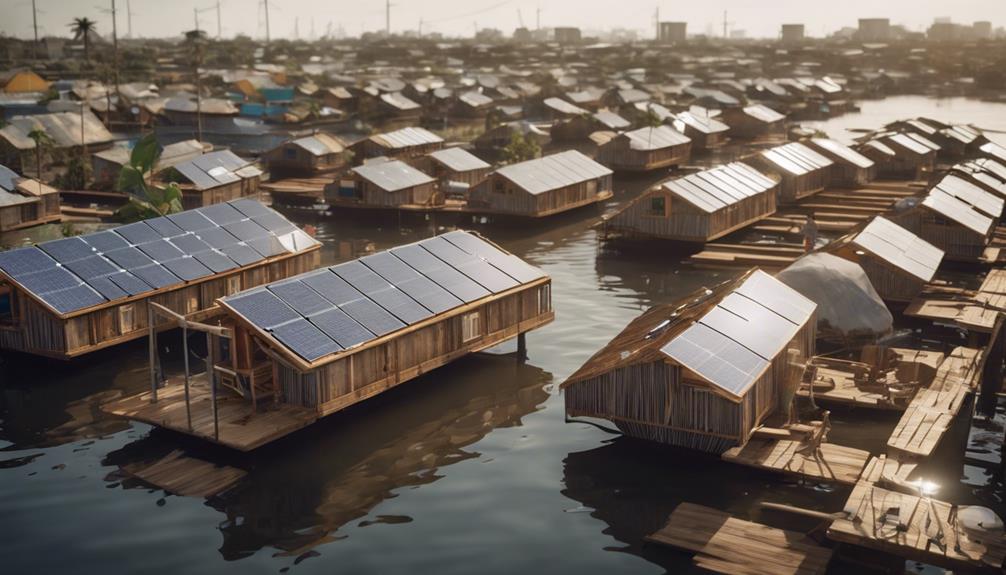
Tucked away in the complex waterways of Makoko, Nigeria, the Floating School stands as a pioneering beacon of eco-friendly architecture and sustainable education. This innovative structure addresses the educational needs of a vulnerable coastal community while showcasing eco-friendly practices in a challenging environment.
Here are key features of the Floating School:
- Utilisation of solar panels for renewable energy generation.
- Implementation of rainwater harvesting systems to promote sustainable water management.
- Capacity to accommodate 100 students, highlighting innovative design in a unique setting.
- Use of locally sourced wood and sustainable materials, emphasising the importance of eco-conscious choices in construction.
The Floating School not only provides a space for learning but also serves as a model for sustainable development in coastal regions. By combining elements like a floating structure, renewable energy sources, locally sourced materials, and innovative design, this project represents a significant step towards a more environmentally conscious future.
Ecomo Homes, Franschhoek
Ecomo Homes in Franschhoek exemplify a harmonious blend of sustainable design and modern technology, setting a new standard for eco-friendly living in South Africa. These homes prioritise sustainability in their construction, utilising low-maintenance materials and incorporating energy-saving features to promote eco-friendly living. Designed by Pietro Russo, the Ecomo Homes showcase contemporary sustainable architecture, combining style with environmental consciousness.
To highlight the key features of Ecomo Homes, we can refer to the following table:
| Key Features | Description |
|---|---|
| Sustainable Design | Emphasises environmentally friendly practices and materials. |
| Low-Maintenance | Uses materials that require minimal upkeep, reducing environmental impact. |
| Energy-Saving Features | Incorporates technologies to conserve energy and reduce utility costs. |
| Prefabricated | Structures are built off-site, minimising waste and maximising efficiency. |
Africa Centre, KwaZulu-Natal
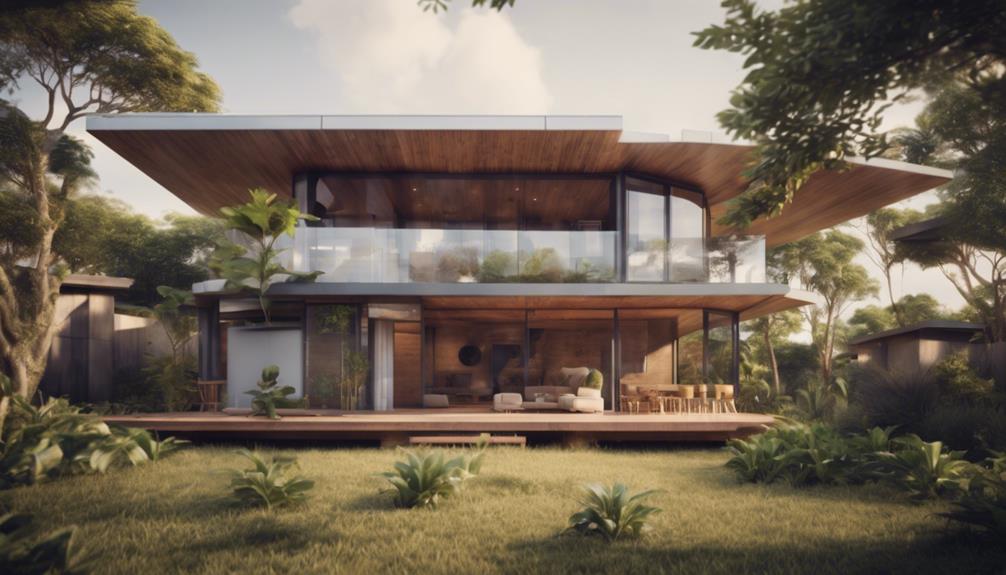
Africa Centre in KwaZulu-Natal stands out for its emphasis on architectural design that maximizes natural light and ventilation while incorporating sustainable water management practices. The center showcases eco-friendly features such as rainwater harvesting and energy-efficient design, all set against the backdrop of a picturesque environment that promotes sustainable living and environmental conservation.
With a seamless integration of its architecture with the surrounding landscape, Africa Centre offers visitors a holistic experience of sustainable design and eco-friendly living practices.
Architectural Design Highlights
Embracing a harmonious blend of nature and modernity, the architectural design of the Africa Centre in KwaZulu-Natal exemplifies a visionary approach to sustainable living. The design highlights include:
- Natural Light: Strategically incorporated to reduce the need for artificial lighting, promoting energy efficiency.
- Ventilation: Innovative ventilation systems mimic nature's airflow, enhancing indoor air quality and reducing the reliance on mechanical cooling.
- Sustainable Water Management: Utilises rainwater harvesting and greywater recycling for irrigation and non-potable uses, reducing water wastage.
- Innovative Building Techniques: Inspired by nature, the design integrates biomimicry principles, showcasing a commitment to eco-friendly and sustainable construction practices.
Sustainable Features Overview
With a focus on sustainable living practices, the Africa Centre in KwaZulu-Natal integrates cutting-edge technologies to promote eco-friendly solutions and reduce environmental impact. The centre prioritises natural light, ventilation, and sustainable water management for eco-friendly living. It incorporates sustainable features like solar panels and rainwater harvesting to minimise its carbon footprint. Inspired by nature, the Africa Centre harnesses energy-efficient technologies for a greener building design, promoting biodiversity through the use of indigenous plants and eco-friendly practices.
| Sustainable Features | Overview |
|---|---|
| Solar Panels | Reduce energy consumption |
| Rainwater Harvesting | Minimise water wastage |
| Indigenous Plants | Promote biodiversity |
Location and Surroundings
Incorporating the natural landscape seamlessly into its design, the Africa Centre in KwaZulu-Natal creates a sustainable living environment that harmonises with its surroundings.
- The Africa Centre prioritises natural light and ventilation to reduce energy consumption and enhance the well-being of its occupants.
- Sustainable water management practices are integral to the Africa Centre's design, promoting water conservation and efficiency.
- Nestled in a picturesque setting, the Africa Centre embraces the beauty of its surrounding environment, fostering a deep connection to nature.
- By implementing sustainable living practices, the Africa Centre serves as an eco-friendly living space that exemplifies a harmonious relationship between modern living and the natural world.
El Mandara Eco-Resort, Fayoum
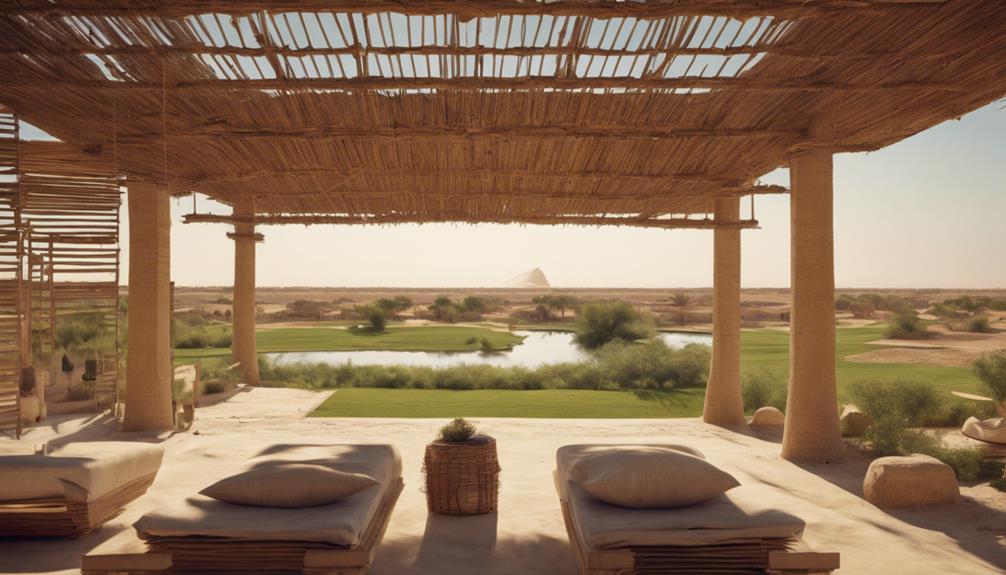
At El Mandara Eco-Resort in Fayoum, Egypt, the fusion of traditional building materials with contemporary eco-conscious design principles embodies a harmonious marriage of heritage and sustainability. The resort showcases the use of mud bricks and palm fronds, emphasising the beauty and eco-friendliness of locally sourced materials. This traditional building approach not only creates an eco-friendly house but also a sustainable structure that blends seamlessly with its natural surroundings.
| Key Features | Description |
|---|---|
| Building Materials | Mud bricks and palm fronds are prominently used, highlighting traditional building techniques. |
| Locally Sourced | Emphasis on using materials sourced locally promotes sustainability and reduces environmental impact. |
| Community Involvement | Young people participated in creating the resort, showcasing a community-driven approach to sustainability. |
| Eco-Tourism Focus | El Mandara Eco-Resort serves as a beacon for environmental conservation, attracting tourists seeking eco-friendly accommodation options. |
El Mandara Eco-Resort in Fayoum stands as a prime example of how embracing heritage and integrating sustainable practices can result in a unique and environmentally conscious living space.
Inno-Native Home, Accra
Inno-Native Home, Accra
Embodying a fusion of traditional building techniques with contemporary eco-friendly innovations, the Inno-Native Home in Accra, Ghana, stands as a beacon of sustainable architecture designed by Joe Osae-Addo. This eco-friendly home showcases a harmonious blend of the past and present, utilising local materials like timber and adobe mud blocks for sustainability. To enhance energy efficiency, the home is strategically positioned to benefit from natural cooling, while also integrating solar panels for electricity backup. Designed with eco-friendly principles in mind, the Inno-Native Home demonstrates modern technology for resource conservation. Joe Osae-Addo's innovative approach includes using low-maintenance materials and prefabricated structures to minimise waste, ensuring a balance between traditional building methods and contemporary sustainable practices.
Key Features:
- Sustainable use of local materials such as timber and adobe mud blocks.
- Strategic elevation for natural cooling benefits.
- Integration of solar panels for electricity backup.
- Emphasis on eco-friendly principles and resource conservation through innovative design strategies.
Conclusion
To wrap it all up, South Africa is a place full of amazing eco-friendly homes that really care about our planet. Imagine living in a house made of sandbags right in Cape Town, or staying at El Mandara Eco-Resort where everything is about being kind to nature.
These homes show how much South Africa wants to keep our world green and beautiful. They use special building stuff that doesn't hurt the earth and design houses in a way that saves energy. Plus, they look really cool because they mix in local culture and use things found nearby.
If you think living in a place like this sounds awesome and you want some help, you should definitely talk to JB Property Group.