
In the dynamic landscape of South African construction, the integration of Building Information Modelling (BIM) is transforming the way projects are conceived, executed, and delivered. Facing tight deadlines, stringent budget constraints, and the ever-present demand for quality, professionals in the industry are constantly seeking solutions that can address these challenges efficiently. BIM emerges as a beacon of innovation, offering a comprehensive approach to not only meet but exceed these expectations.
This digital revolution is redefining the essence of teamwork, communication, and precision in construction projects across South Africa. By facilitating a more collaborative environment and ensuring accuracy from the outset, BIM is enabling stakeholders to make informed decisions, reduce waste, and optimise resources. The benefits of adopting this technology extend far beyond conventional practices, heralding a new era in construction that prioritises sustainability, reliability, and excellence.
Key Takeaways
- BIM enhances collaboration, efficiency, and precision in South African construction projects.
- Real-time information sharing minimizes delays and improves budget control.
- Proactive risk mitigation and sustainable practices are facilitated through BIM integration.
- BIM technology leads to successful outcomes, cost savings, and environmentally conscious construction practices.
Cost Benefits of BIM in SA Construction
Cost Benefits of BIM in SA Construction
The implementation of Building Information Modelling (BIM) in South African construction projects yields significant cost benefits through enhanced efficiency and precision in various project phases. BIM facilitates real-time information sharing among stakeholders, enabling efficient planning and decision-making.
By utilising BIM for accurate quantity takeoffs and cost estimations, construction firms can exercise better budget control, leading to cost savings throughout the project lifecycle. Moreover, the integrated approach of BIM helps in identifying design conflicts early on, minimising costly modifications during construction. This proactive clash detection feature not only saves time but also prevents rework expenses.
Additionally, BIM fosters improved project coordination by streamlining processes and communication channels. The use of 3D modelling in BIM supports efficient design and planning, enhancing cost-effectiveness in construction projects by providing stakeholders with a clearer understanding of the project scope and requirements.
Efficiency Improvements Through BIM
Enhancing project efficiency through the strategic implementation of Building Information Modelling (BIM) in South African construction projects is paramount for achieving streamlined processes and optimal outcomes.
BIM plays a vital role in driving efficiency improvements by reducing construction delays up to 25% through enhanced coordination and clash detection. The technology's 3D modelling capabilities not only streamline design and planning processes but also result in significant cost savings ranging from 7% to 8% on construction projects in South Africa.
By enabling accurate quantity takeoffs, BIM facilitates precise budget control and estimation, contributing to overall project cost-effectiveness. Moreover, BIM's ability to identify design conflicts early in the project lifecycle minimises costly modifications, saving both time and resources.
Through improved coordination and clash detection, BIM ensures smoother project workflows, ultimately leading to enhanced efficiency and successful project outcomes in the South African construction industry.
Enhanced Collaboration With BIM Adoption
Enhanced Collaboration With BIM Adoption
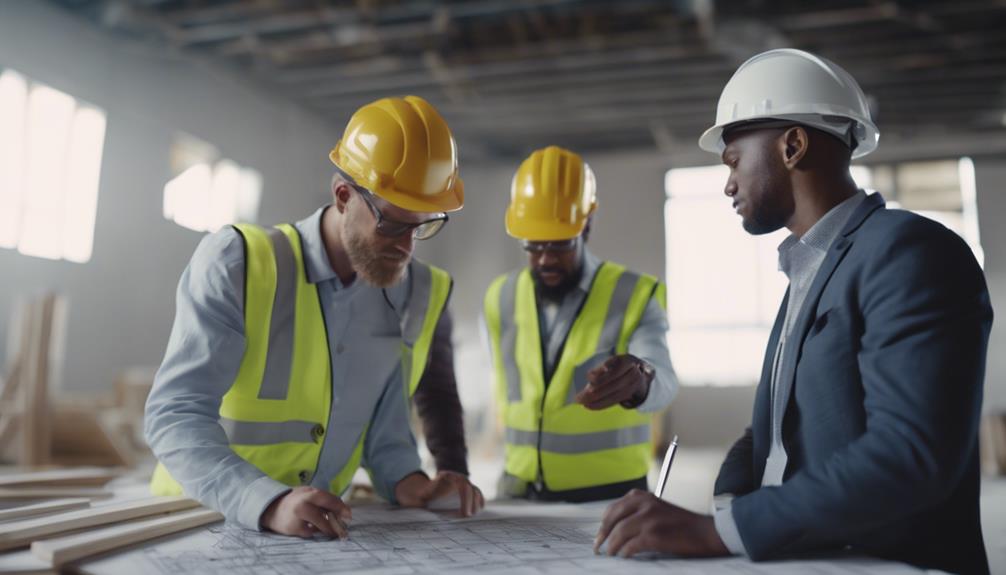
Efficiency improvements achieved through the strategic implementation of Building Information Modelling (BIM) pave the way for enhanced collaboration among multidisciplinary teams on construction projects in South Africa. By utilising BIM, teams can work together seamlessly, sharing real-time project data and updates. The technology minimises miscommunication, ensuring that all team members are aligned with the project goals and requirements. Through collaborative BIM adoption, stakeholders can contribute their expertise from different disciplines, leading to more comprehensive and integrated project outcomes.
This enhanced collaboration is particularly beneficial during the design and planning phases, where detailed 3D modelling capabilities enable teams to visualise the project and make informed decisions collectively. Furthermore, collaborative BIM adoption reduces construction delays and costly modifications, resulting in improved project timelines and budget control. Stakeholders also benefit from accurate quantity takeoffs and cost estimations, promoting effective cost control throughout the project lifecycle. Ultimately, enhanced collaboration through BIM adoption fosters a more efficient and productive construction environment in South Africa.
Risk Mitigation With BIM Technology
Utilising BIM technology in construction projects enables proactive identification and mitigation of risks, significantly reducing the likelihood of costly rework. By creating a detailed virtual model of the project, BIM allows for a comprehensive analysis of potential clashes and issues during the design and planning stages. This early identification helps in implementing proactive risk management strategies, minimising project delays and disruptions in the construction phase.
Additionally, BIM fosters improved coordination among various project stakeholders, enhancing overall risk mitigation outcomes. South African construction projects specifically benefit from BIM's risk mitigation capabilities, as it empowers project teams to make informed decisions based on accurate information and simulations. This leads to a more efficient risk management process, ultimately contributing to higher project success rates in the construction industry.
Key Points:
- BIM enables comprehensive analysis of potential clashes and issues.
- Early identification reduces project delays and disruptions.
- Improved coordination among project stakeholders enhances risk mitigation outcomes.
- South African construction projects benefit from BIM's risk mitigation capabilities.
Sustainable Practices With BIM Integration
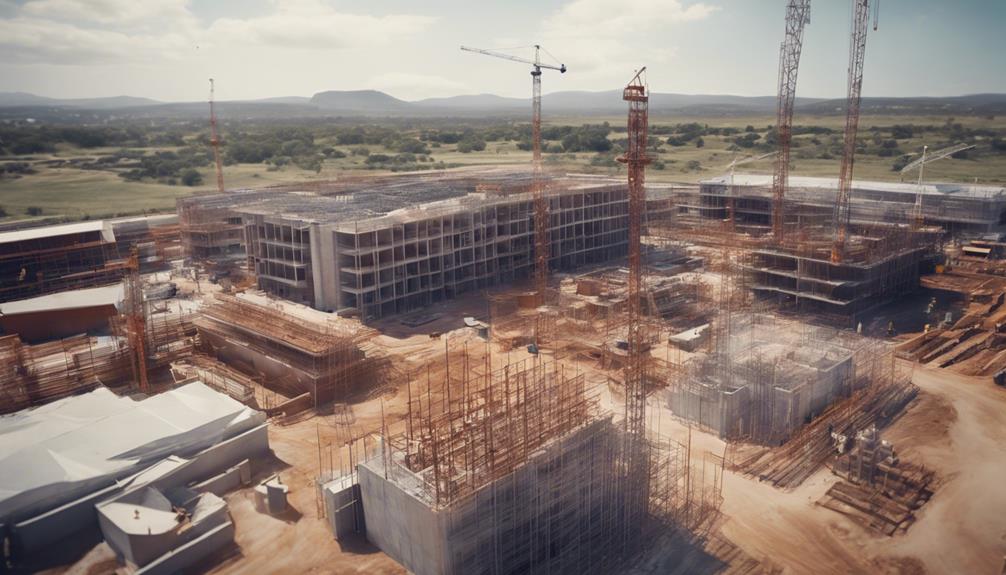
Given the emphasis on sustainable construction practices in South Africa, the integration of BIM technology facilitates the design and analysis of energy-efficient buildings, aligning with the country's goal of reducing energy consumption and promoting environmental sustainability in the construction sector.
By incorporating green technologies and materials, BIM enables the optimization of design for energy efficiency, supporting environmentally responsible construction methods. BIM's capability to simulate and analyze various design scenarios allows for the selection of the most sustainable options, contributing to overall project sustainability.
Through BIM integration, South Africa's focus on sustainable construction practices is further reinforced, as the technology enables the seamless incorporation of energy-efficient solutions into building design and construction processes. This emphasis on sustainability not only aligns with global environmental concerns but also positions the construction sector in South Africa as forward-thinking and environmentally conscious, paving the way for a more sustainable built environment.
Conclusion
In the end, bringing Building Information Modelling (BIM) into South Africa's building world is like finding a magic wand. It saves money, makes jobs go faster, lets everyone work better together, keeps big problems away, and is kind to our planet.
Imagine building a house where everyone knows exactly what to do, there's no confusion, and we're helping the Earth at the same time. That's what happens when we use BIM. It's changing the game for building things in South Africa, making everything smoother and smarter.
If this sounds like something you want to be a part of, don't forget to get in touch with JB Property Group for a hand.
By saying yes to BIM, South Africa's building world can soar to amazing new levels of doing things well and smartly, changing how we build for the better.